Introducing DNKK:
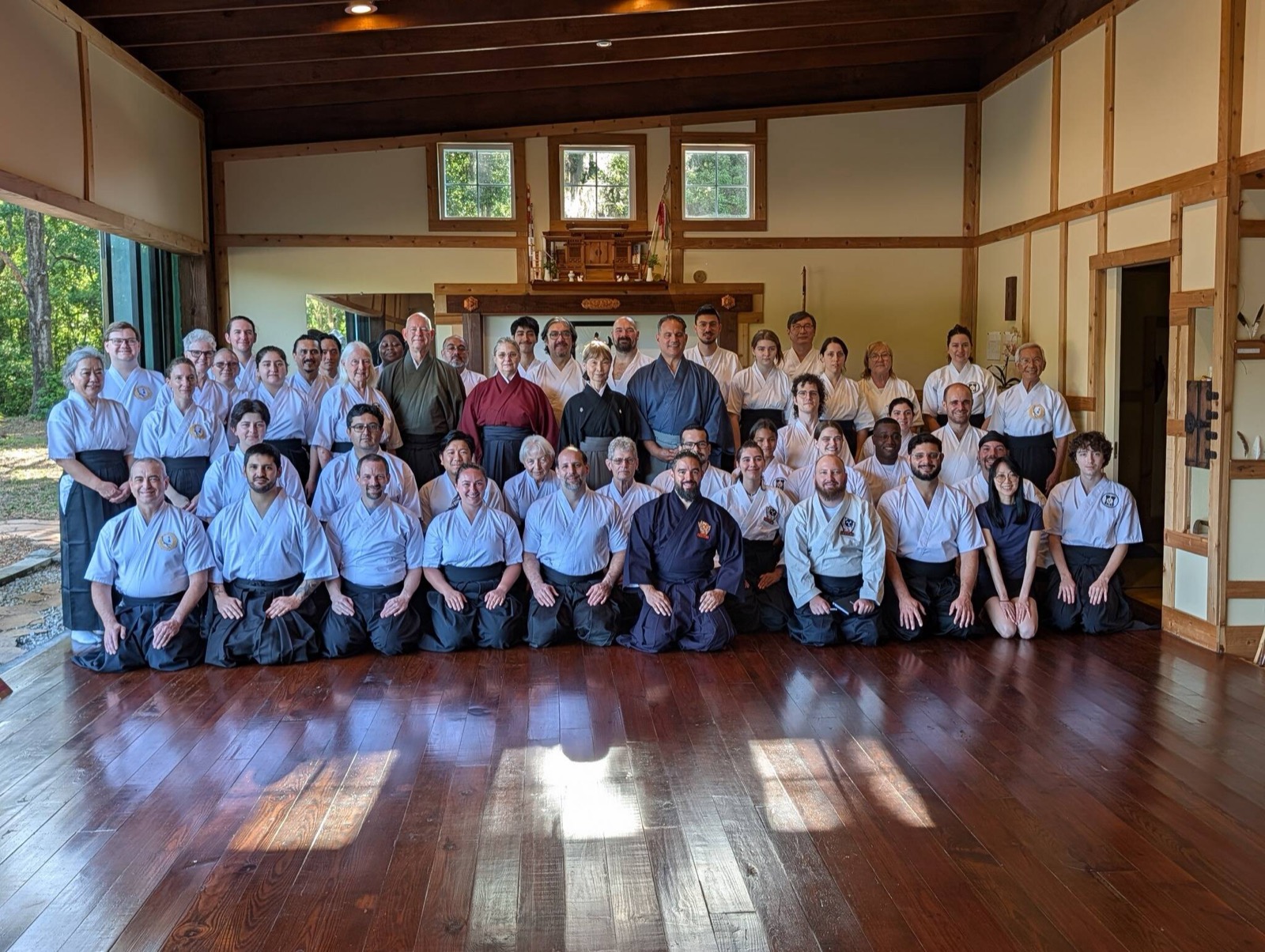
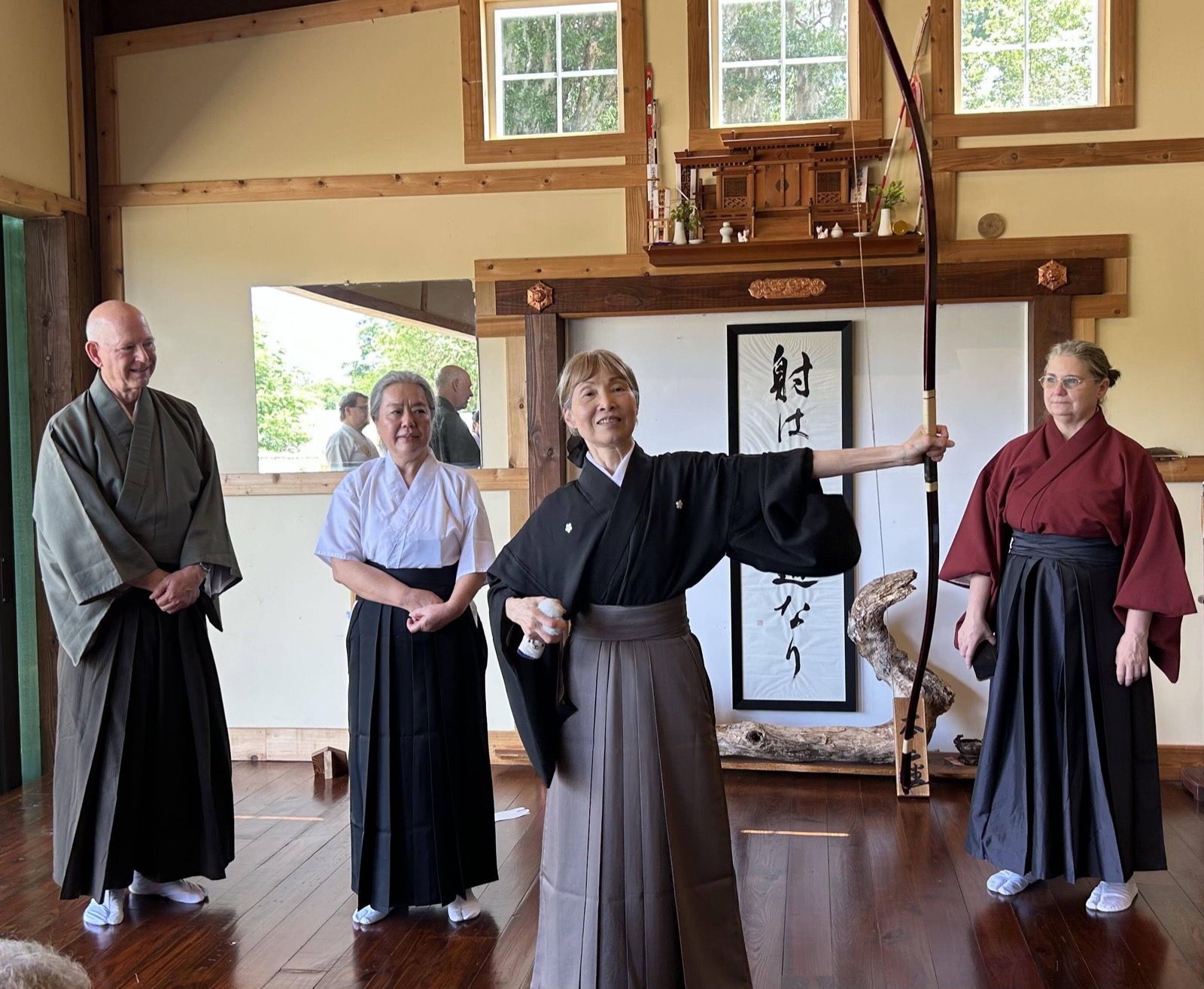
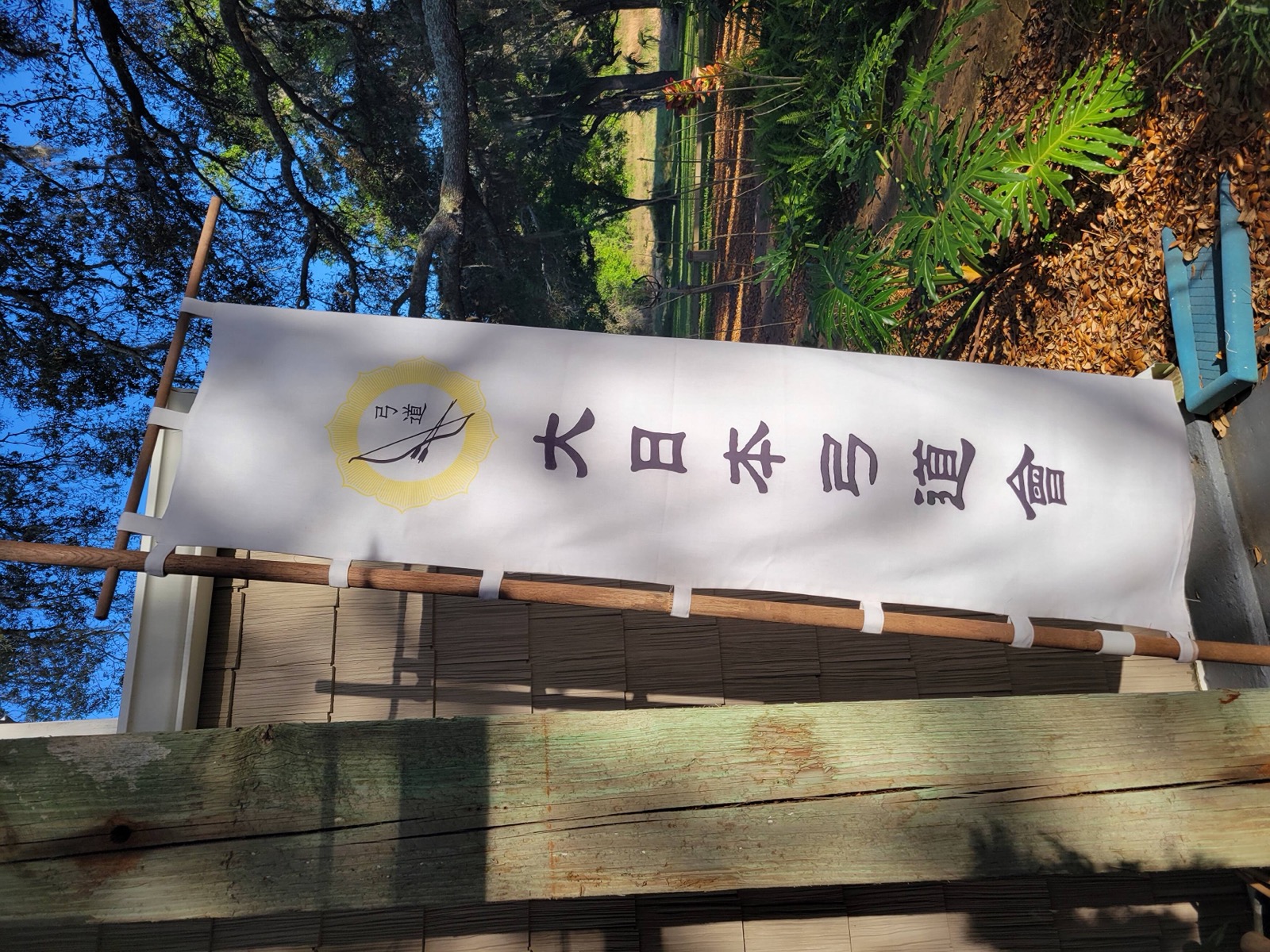
Dai Nippon Kyudo Kai, also known as DNKK or 大日本弓道會, is an international kyudo organization dedicated to the study, preservation, and promotion of Japanese archery, etiquette, and Budō culture. The modern DNKK continues the name and spirit of the historical Dai Nippon Kyudo Kai tradition while supporting today’s international kyudo practitioners through education, seminars, testing, historical study, and cultural exchange.
The name Dai Nippon Kyudo Kai may be translated as “Great Japan Kyudo Association.” Reestablished in name and spirit, DNKK seeks to meet the needs of sincere kyudo practitioners around the world by reducing unnecessary barriers to training while maintaining respect for Japanese tradition, etiquette, and historical continuity.
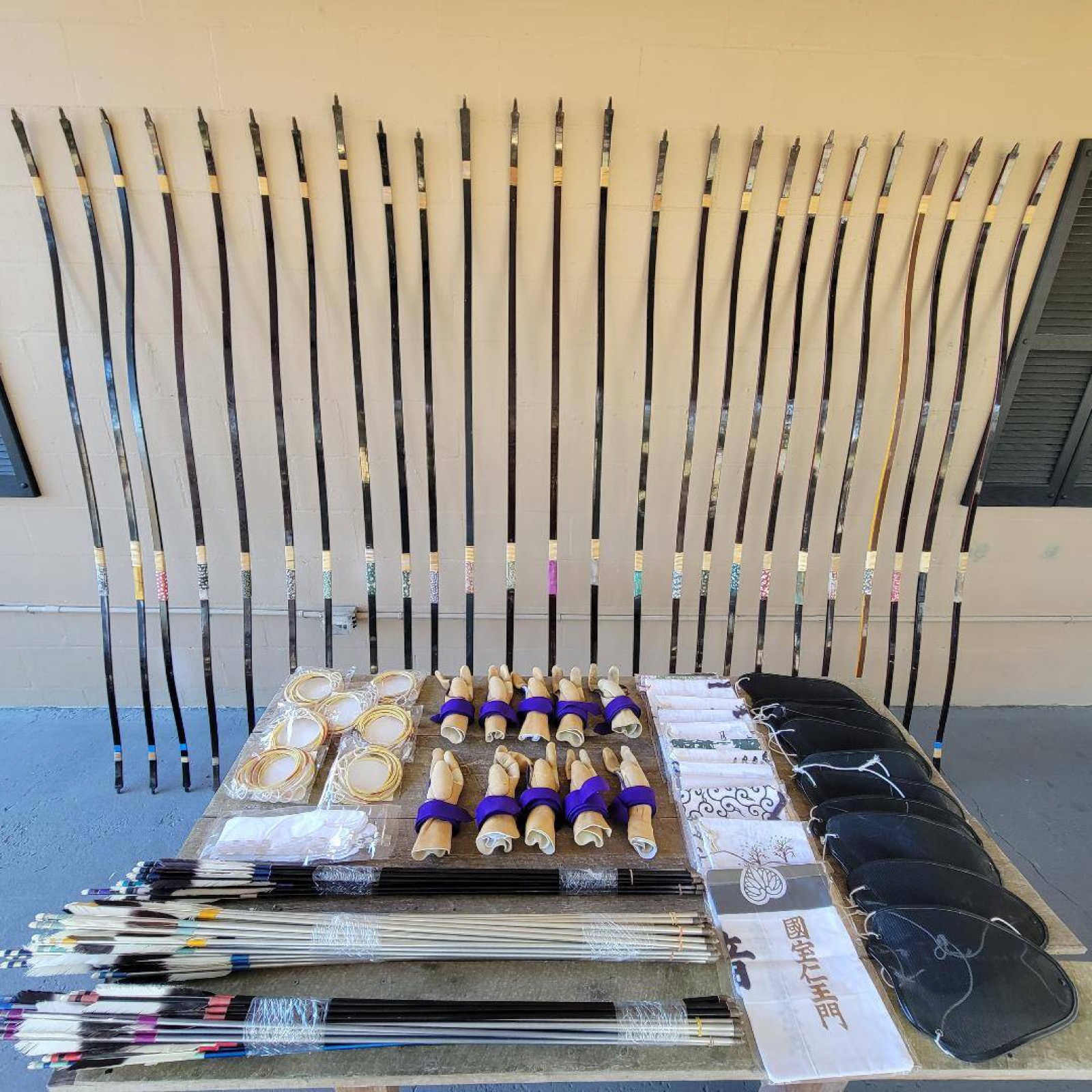
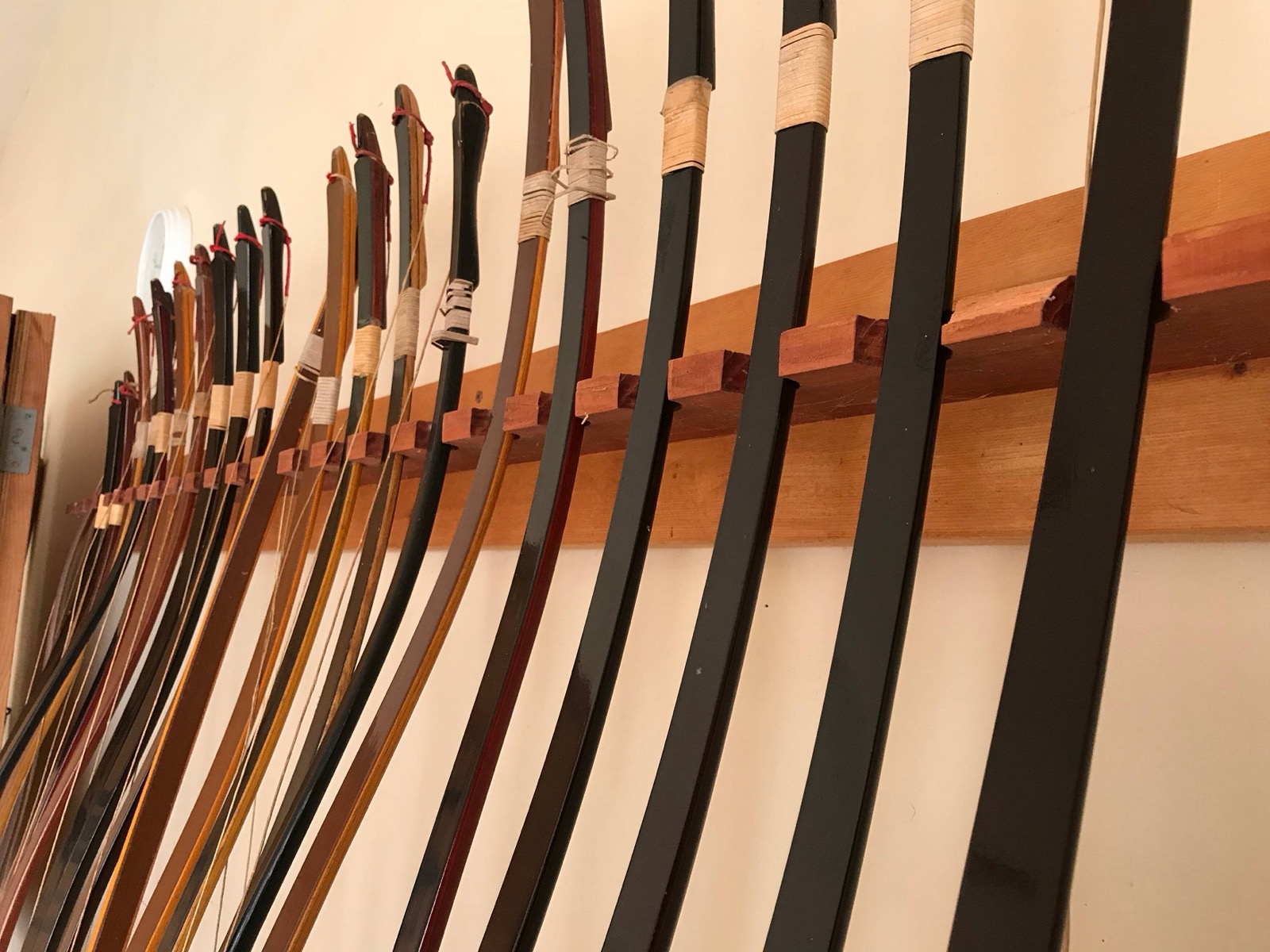
For many students, especially those outside Japan, beginning the study of kyudo can be difficult. Access to qualified instruction, proper equipment, suitable practice space, formal dōjō, and ranking opportunities is often limited by geography and resources. DNKK addresses these challenges through a practical and thoughtful approach that combines traditional study with modern educational tools.
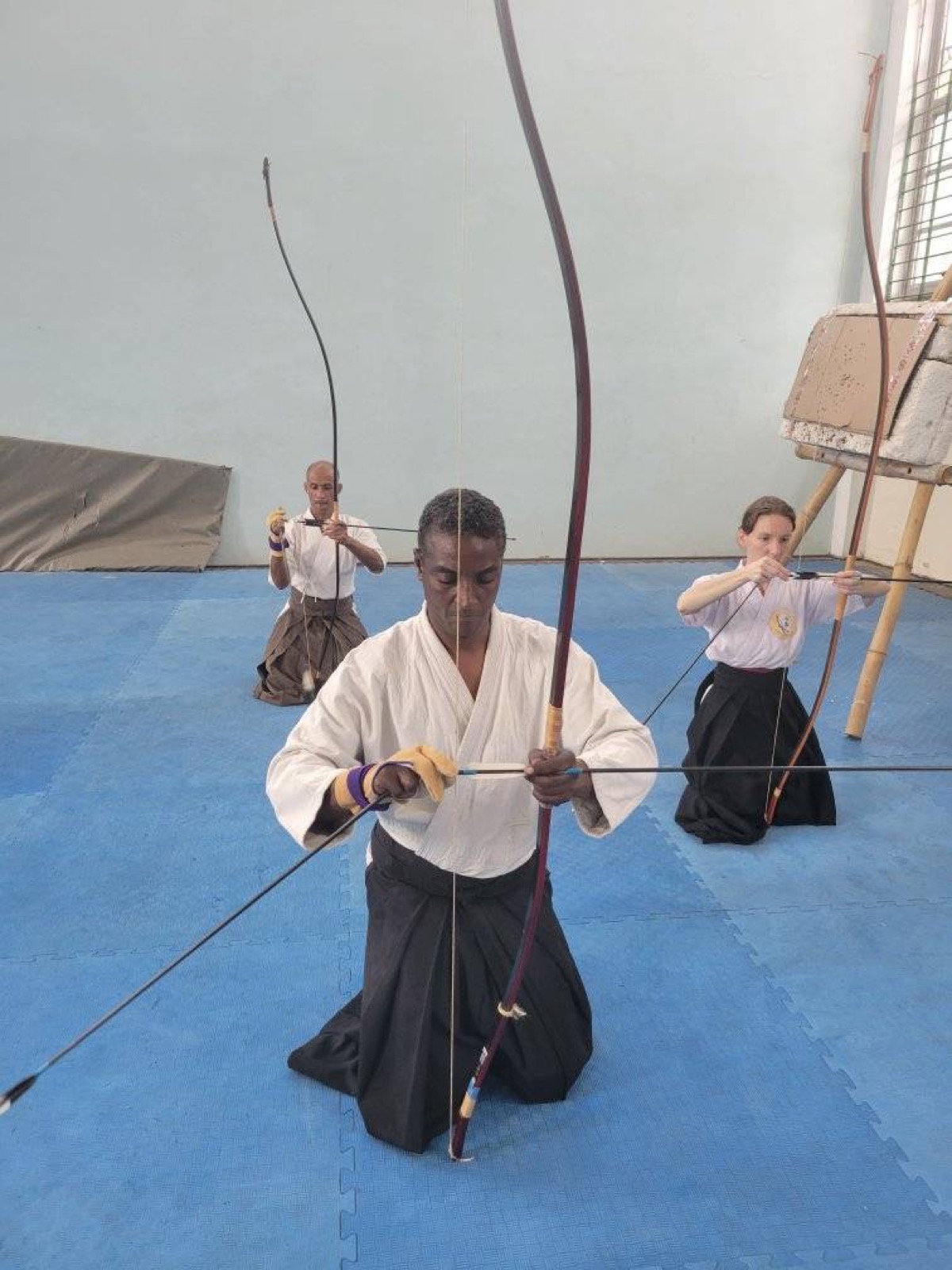
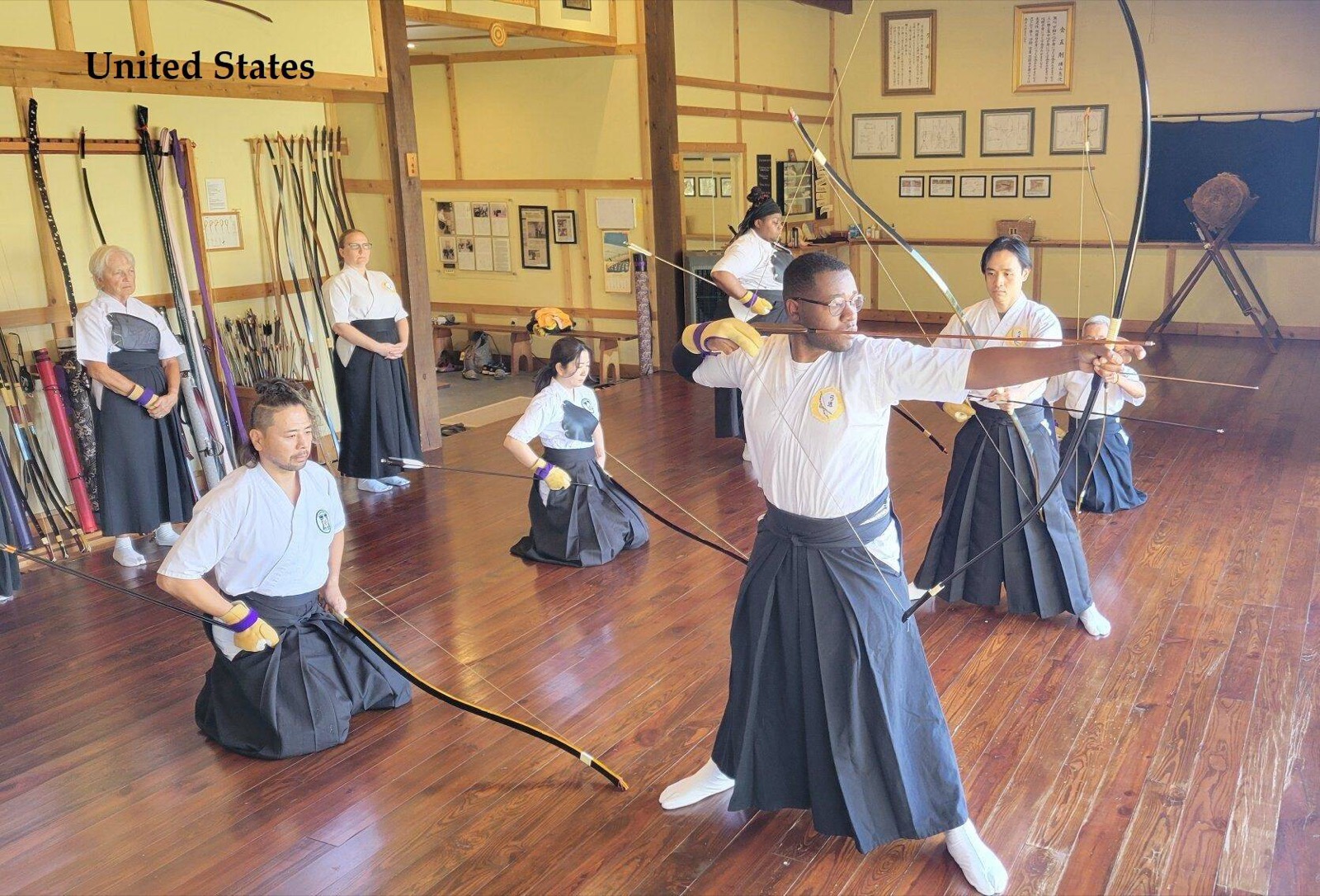
Through structured training, remote learning support, seminars, historical research, and introductory practice methods such as the gomu yumi, students can begin developing essential posture, movement, etiquette, body awareness, and discipline even before full equipment or formal dōjō access is available. This flexible approach helps open the path of kyudo to sincere students who may otherwise have no meaningful opportunity to begin.
Kyudo is more than the act of shooting an arrow or striking a target. It is a martial art and discipline of self-cultivation through which practitioners refine the body, mind, and spirit. Whether a student is drawn to technical precision, Budō discipline, Japanese culture, ceremonial etiquette, or the deeper internal study of the bow, DNKK supports diverse paths of practice while preserving the dignity and seriousness of the art.
DNKK is not simply a revival of a venerable name. It is a forward-looking organization committed to helping shape a meaningful future for kyudo: one that is inclusive, adaptable, internationally accessible, and deeply respectful of Japan’s profound martial and cultural heritage.
Our newest video
2026-2027 Upcoming Events
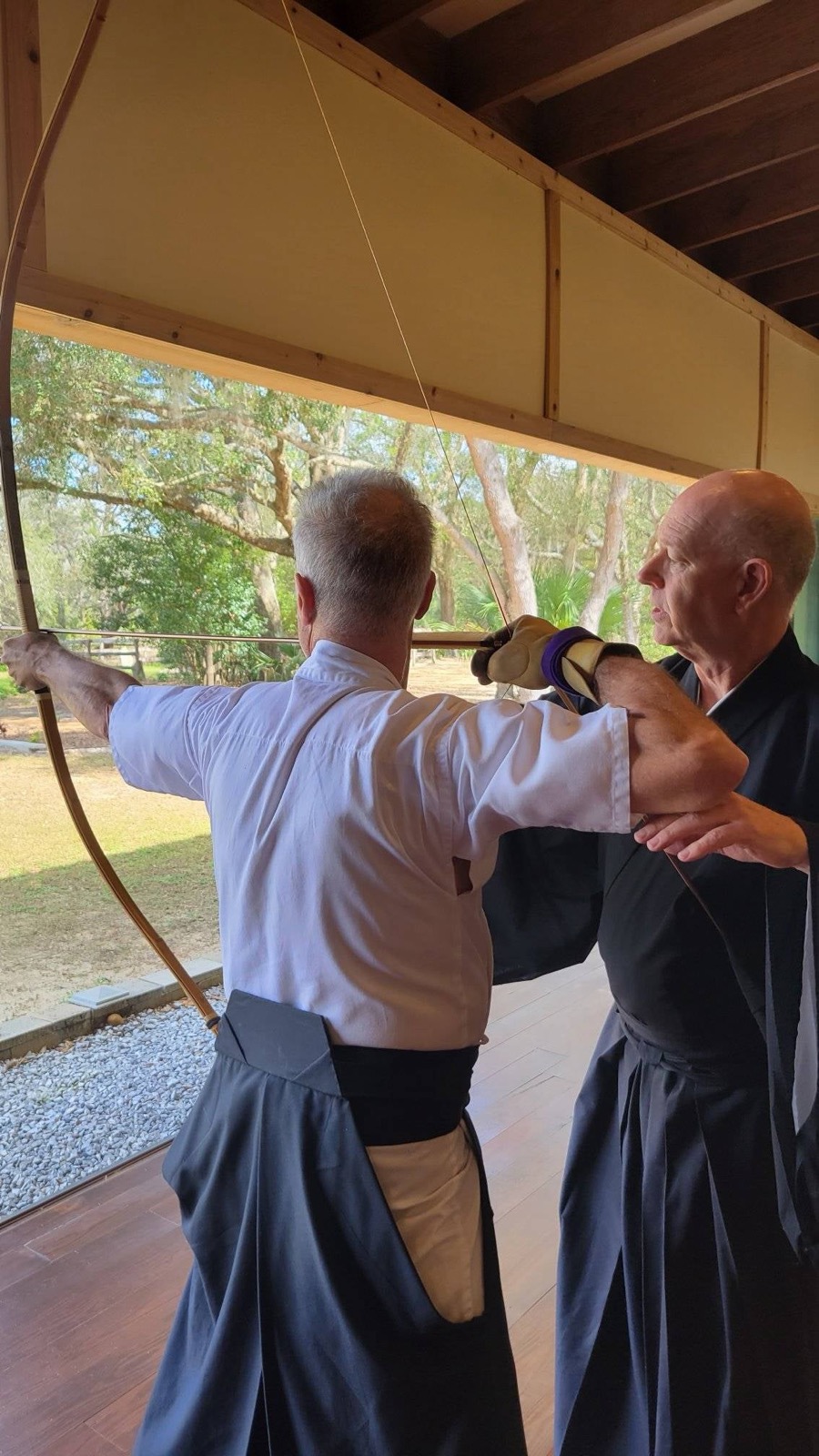
Apr 24 - Apr 25, 2027 · 9:00 AM
2027 International Kyudo seminar and shinsa- Eustis Florida
See details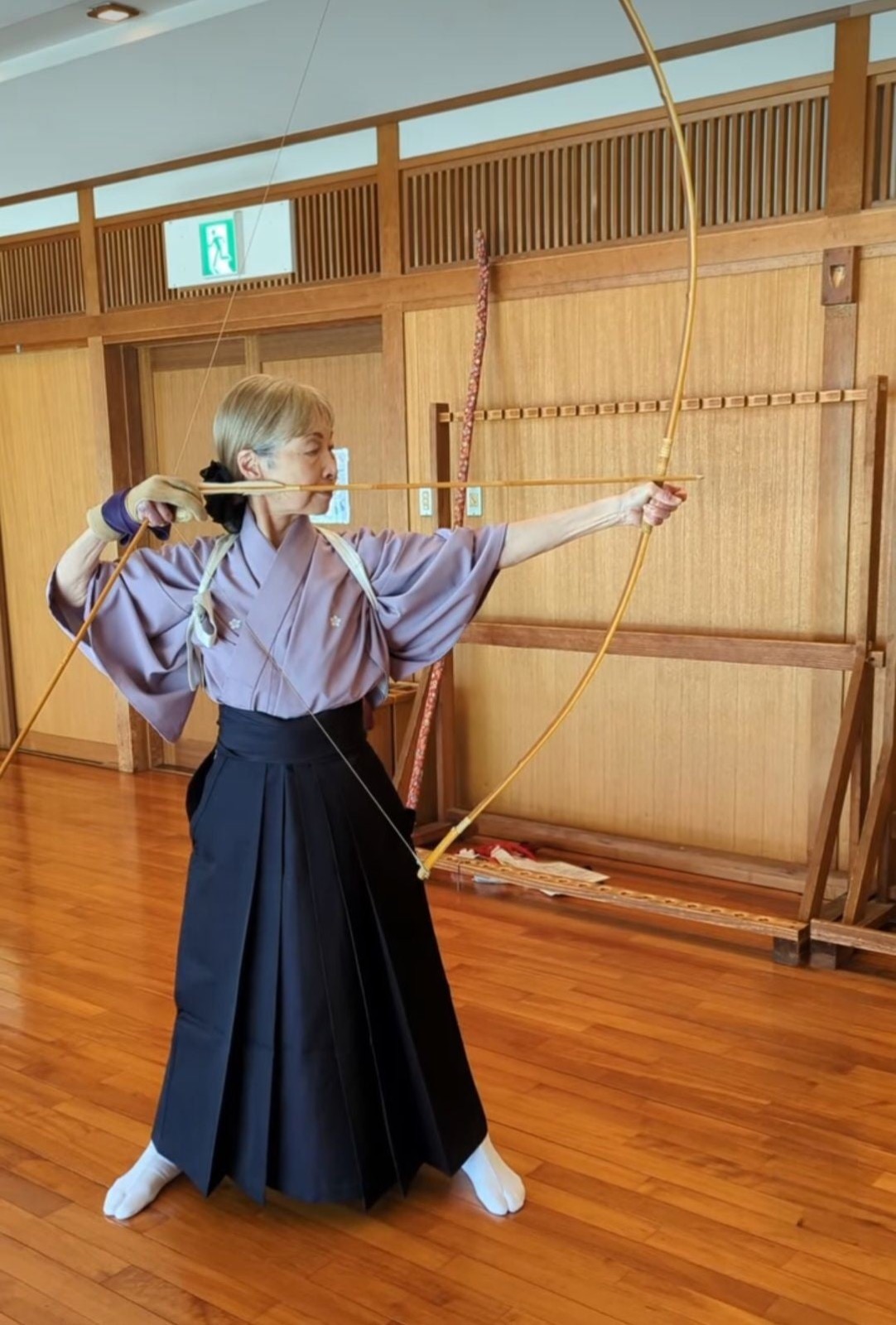
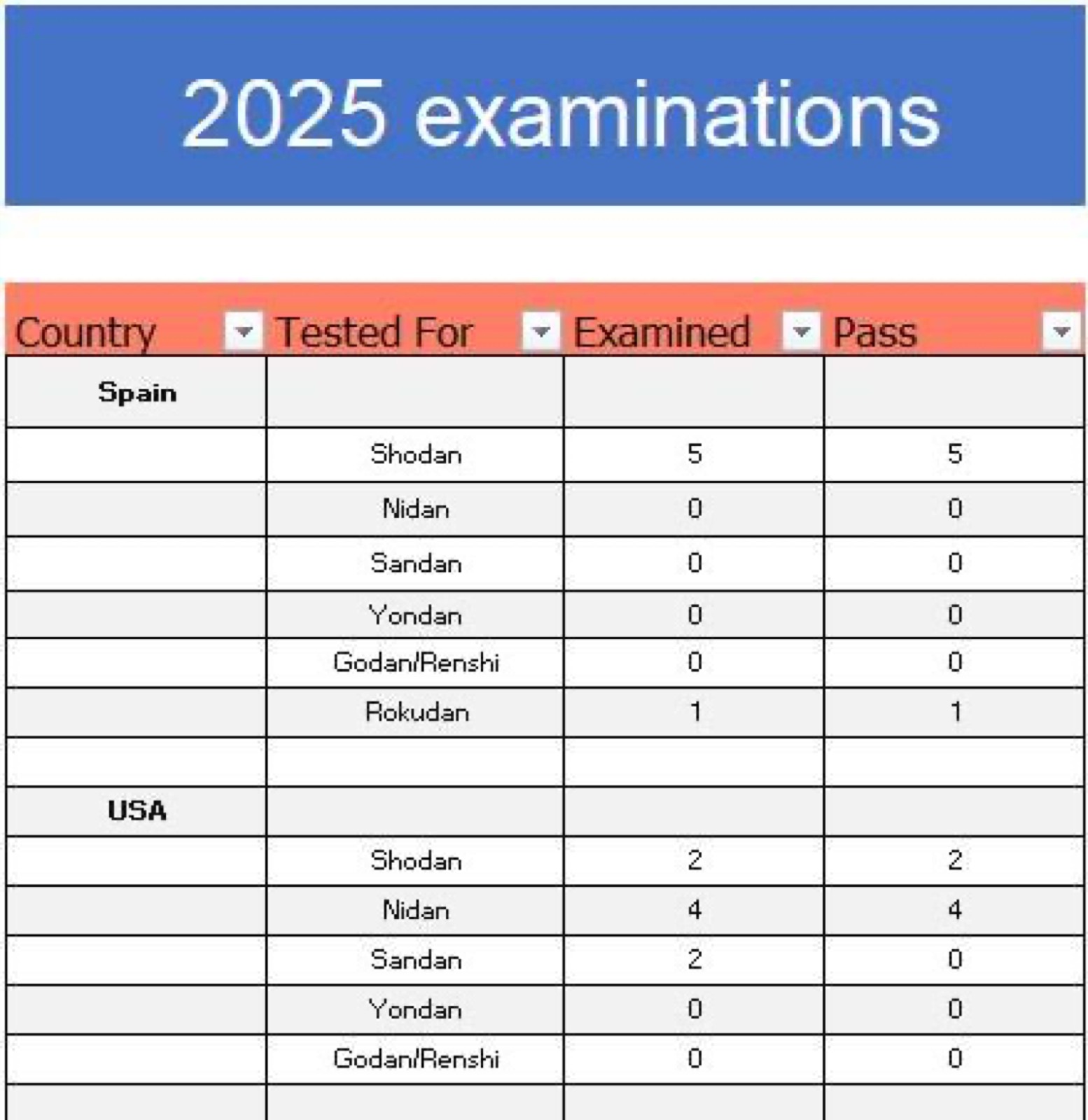
2025 Shinsa
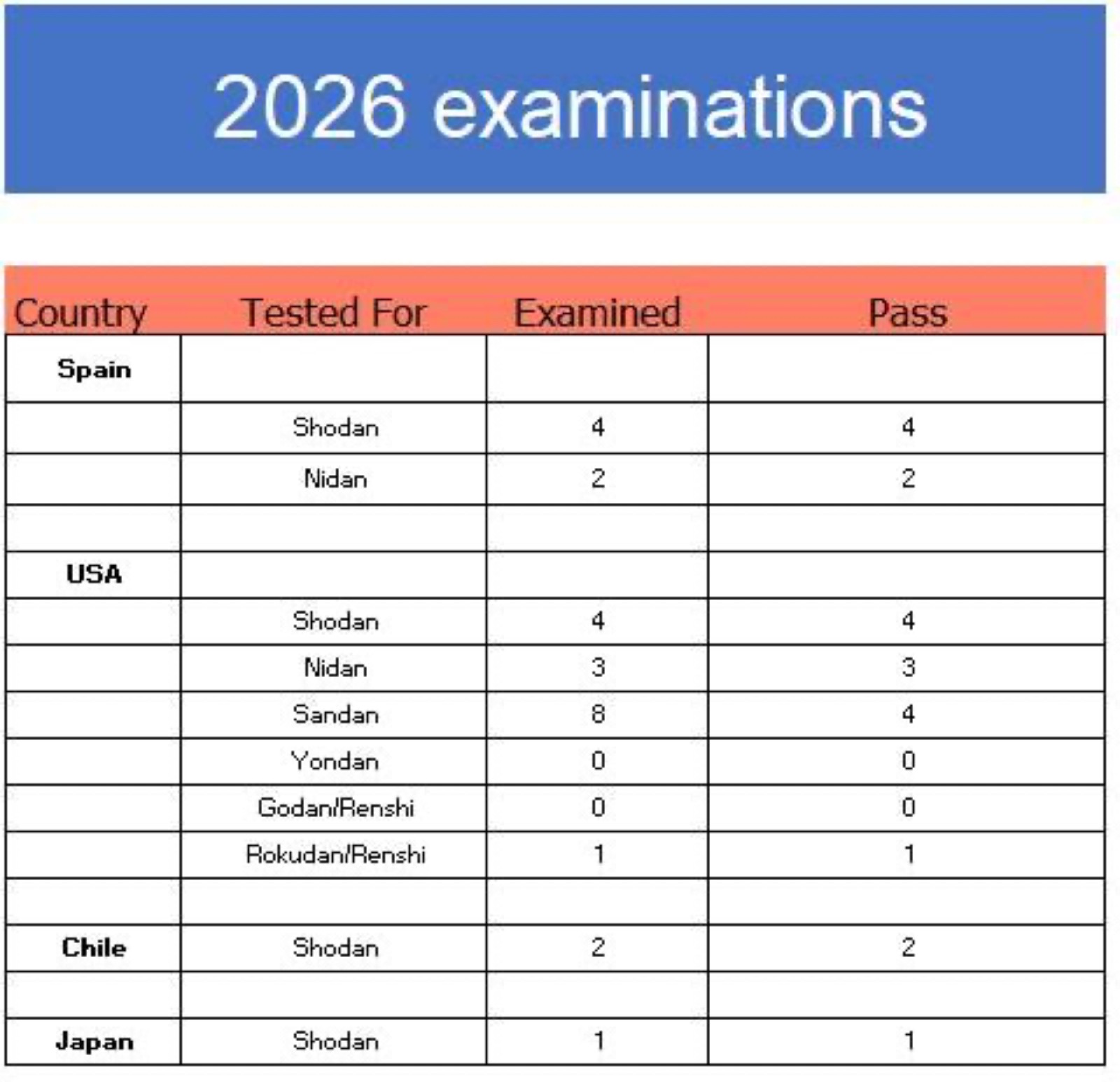
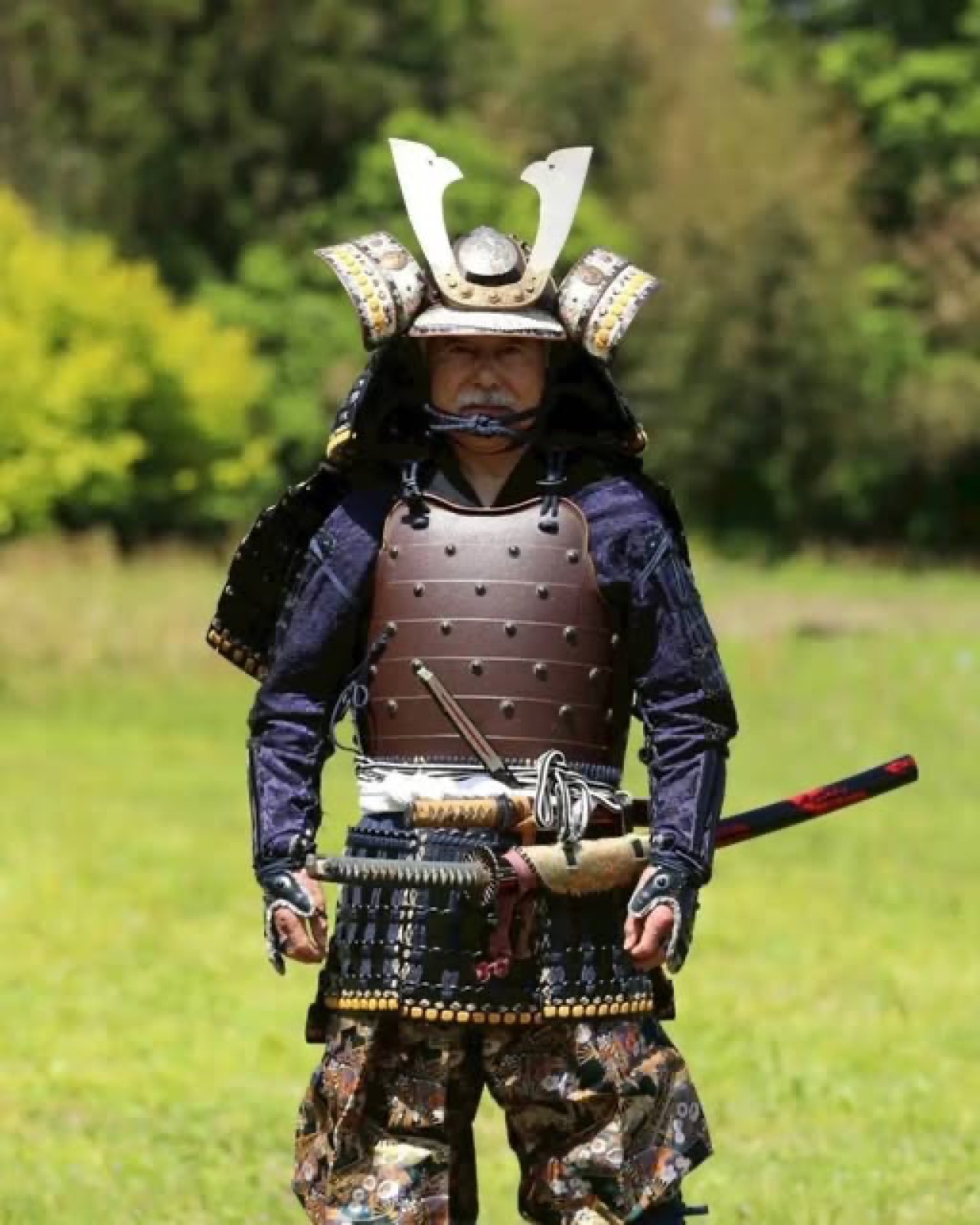
2026 Shinsa
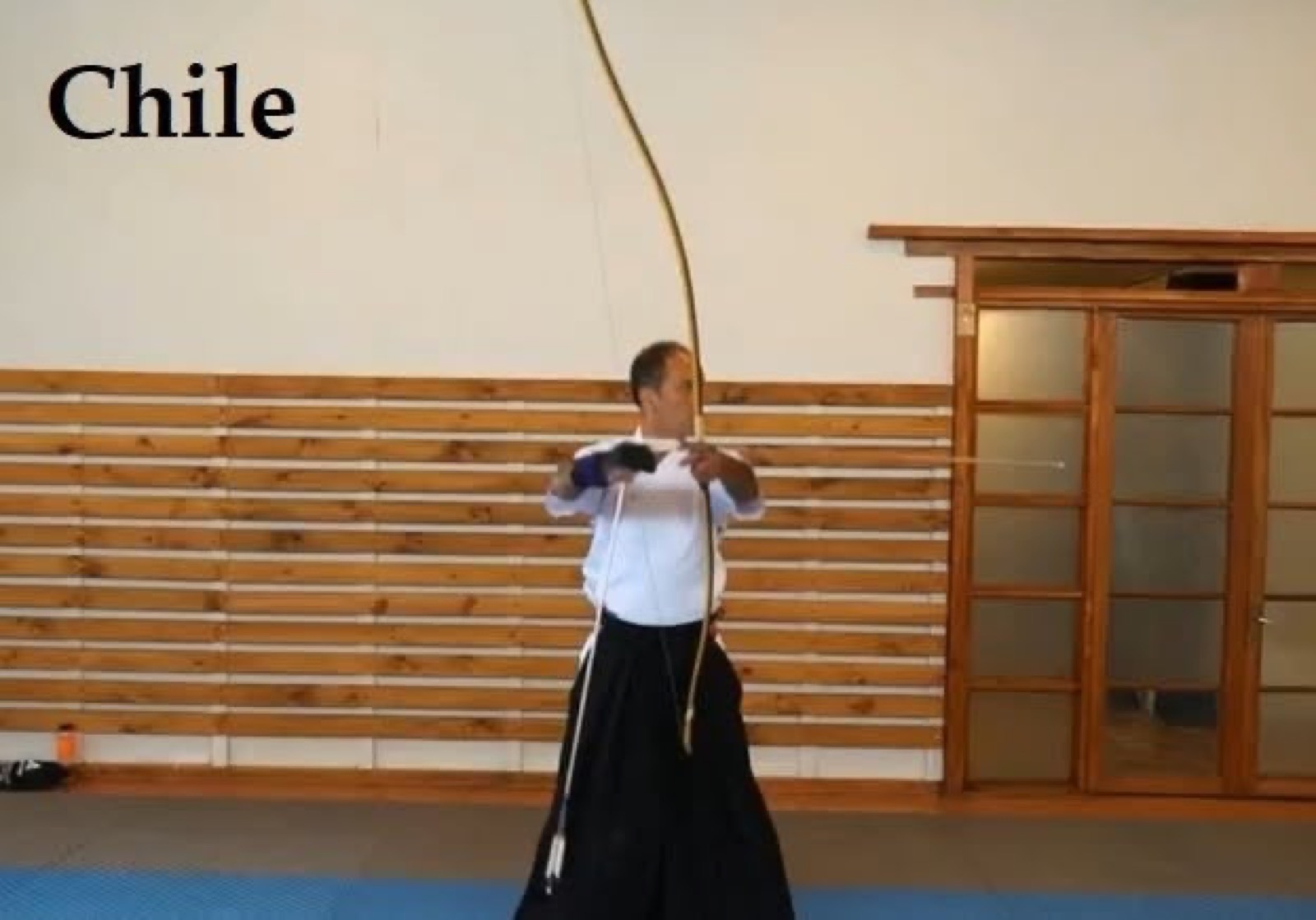
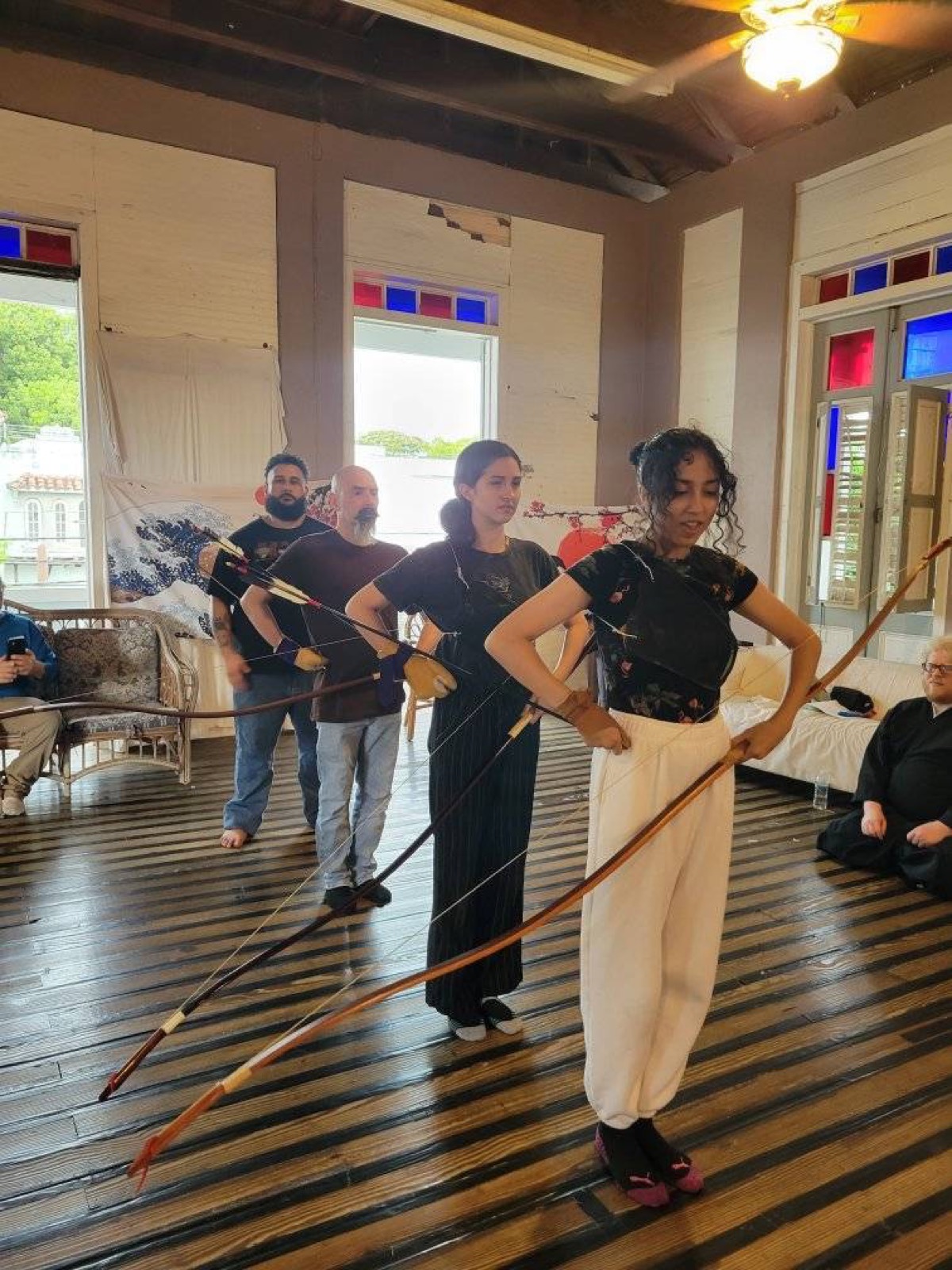
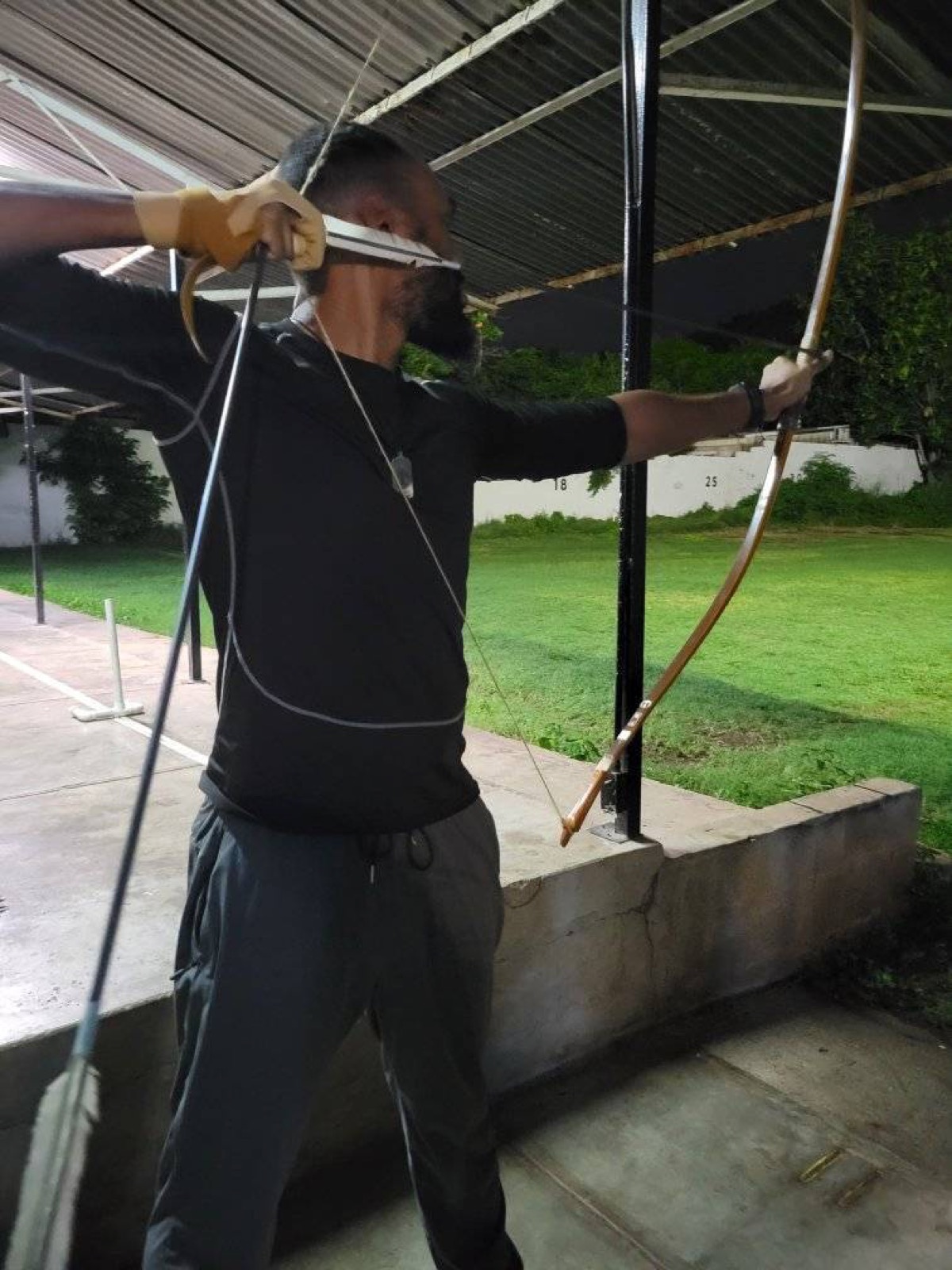
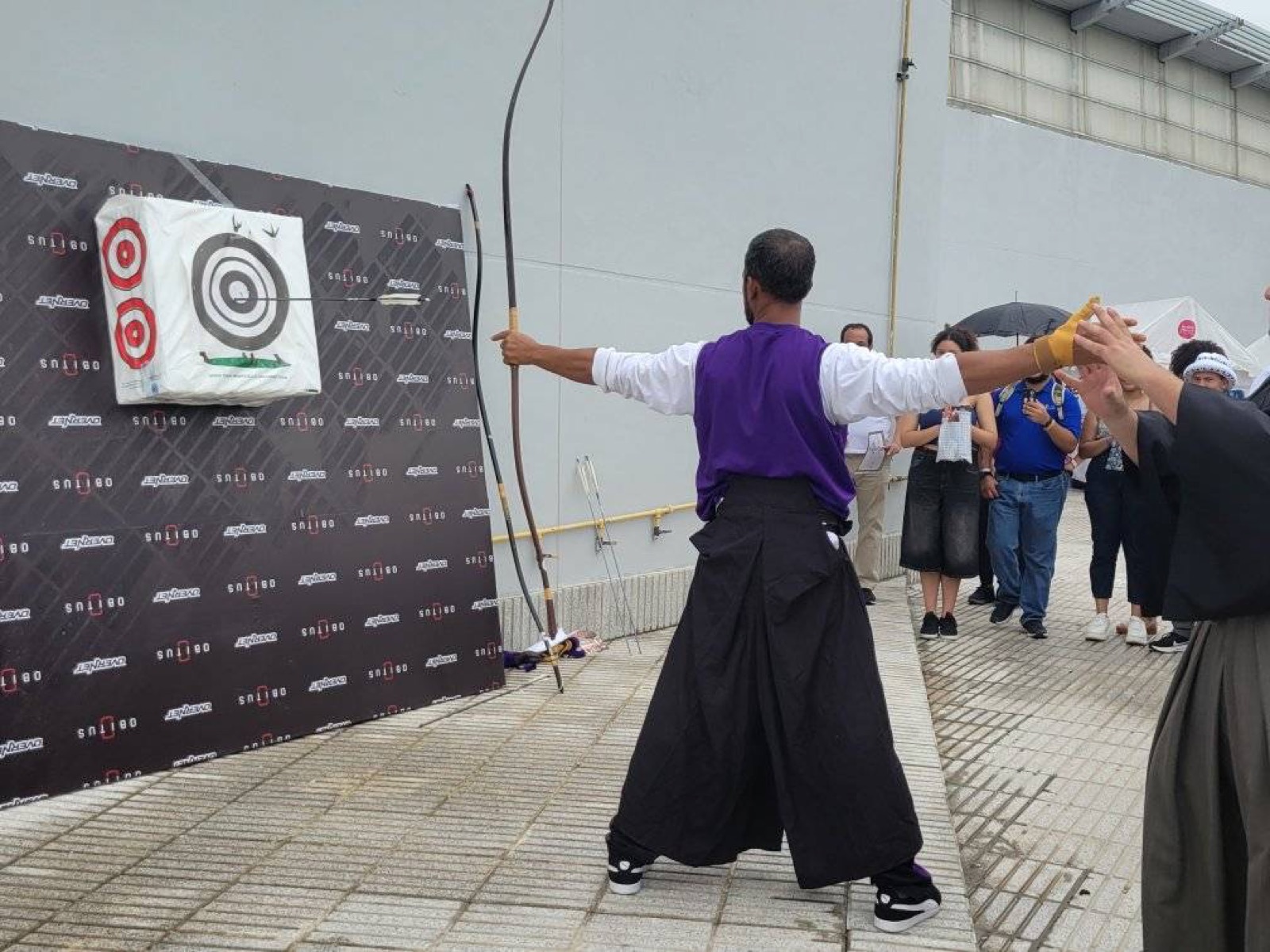
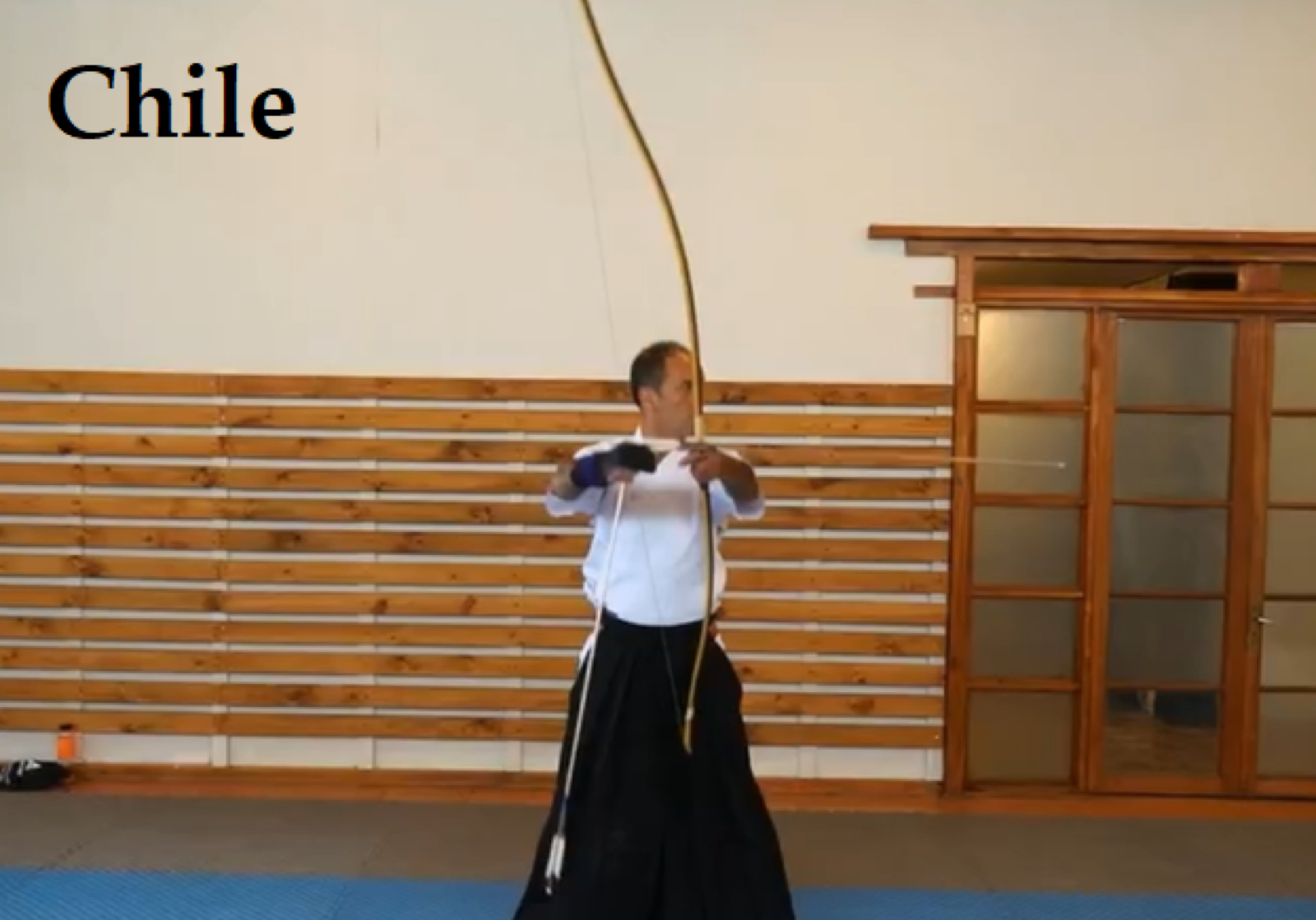
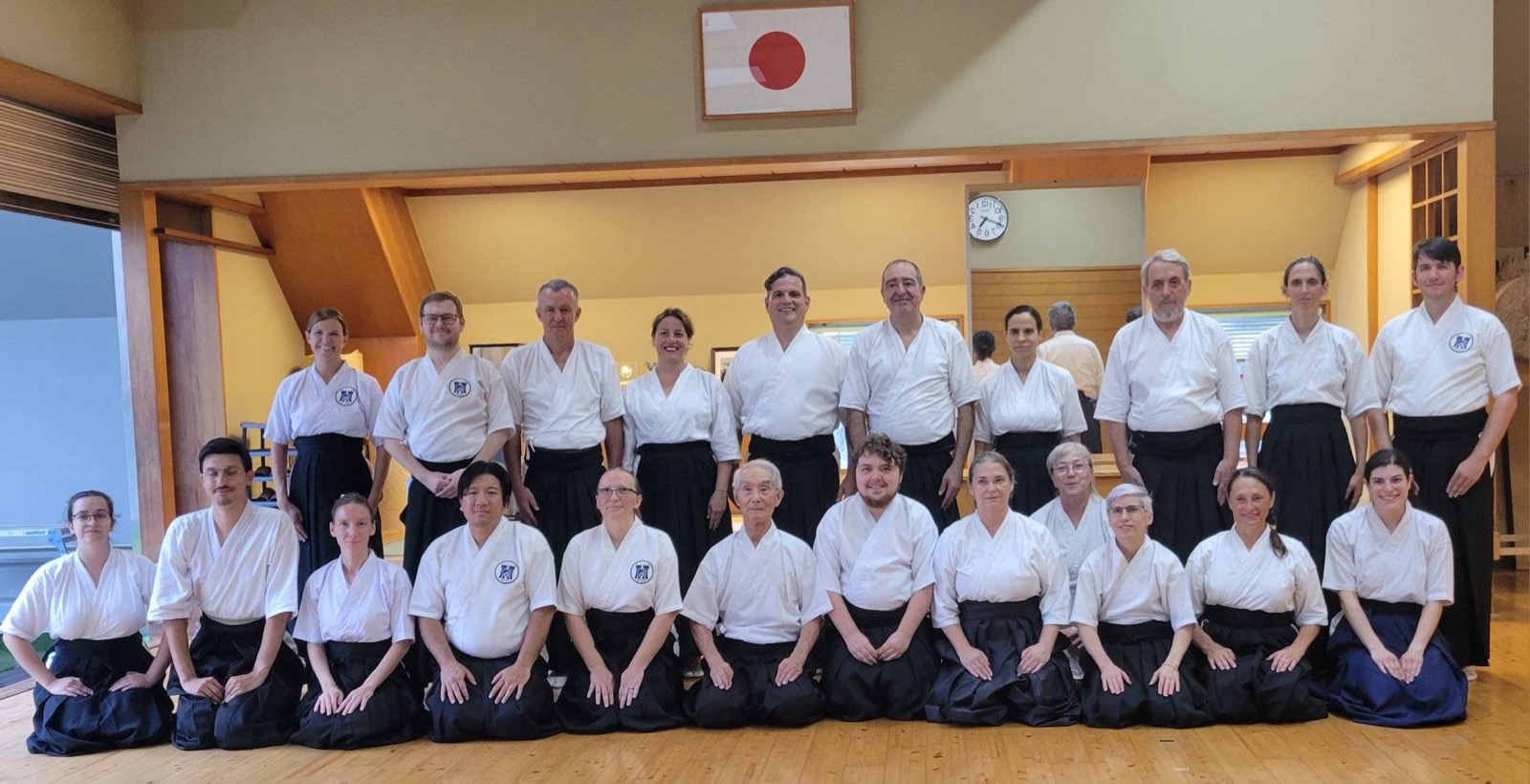
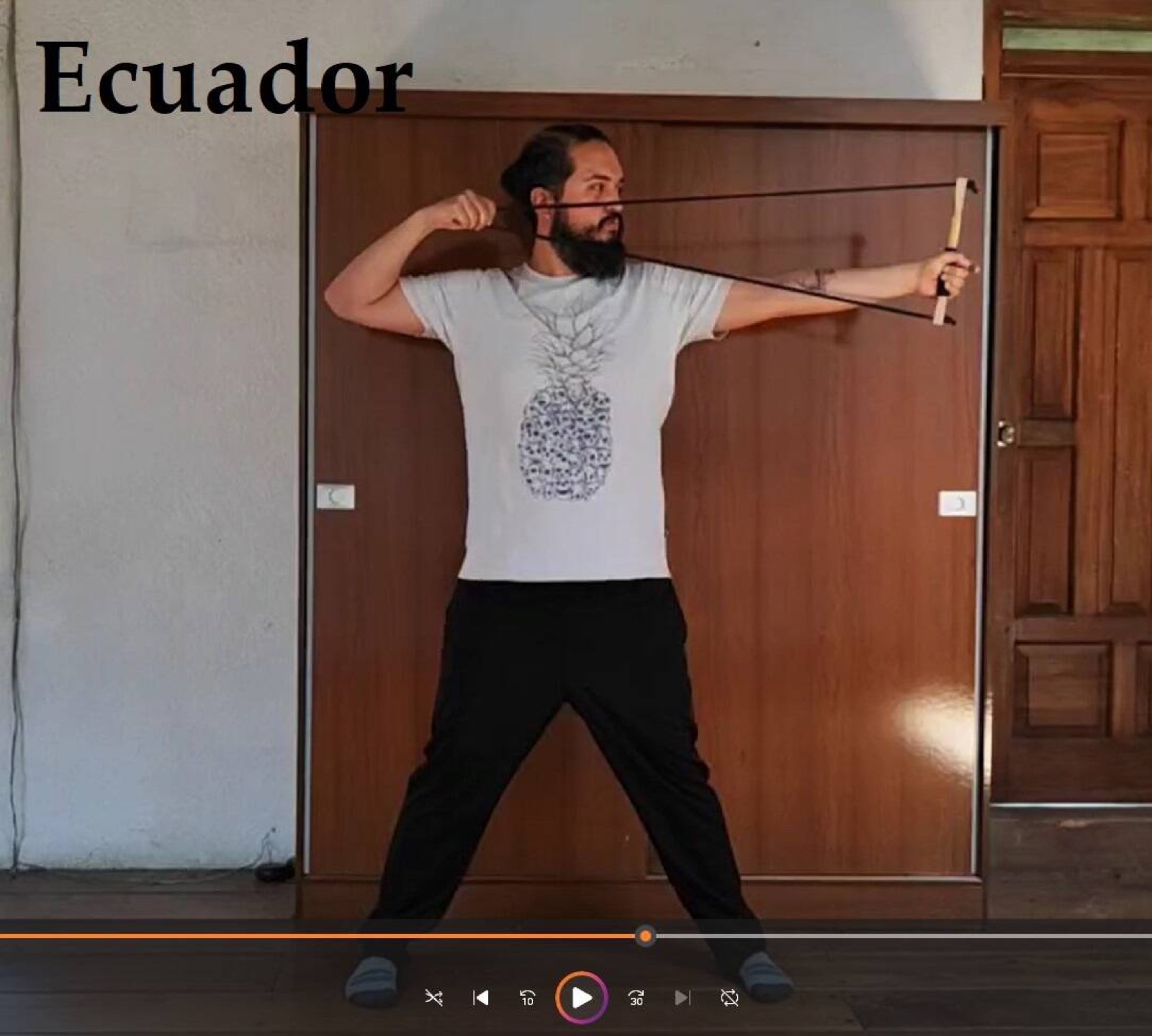
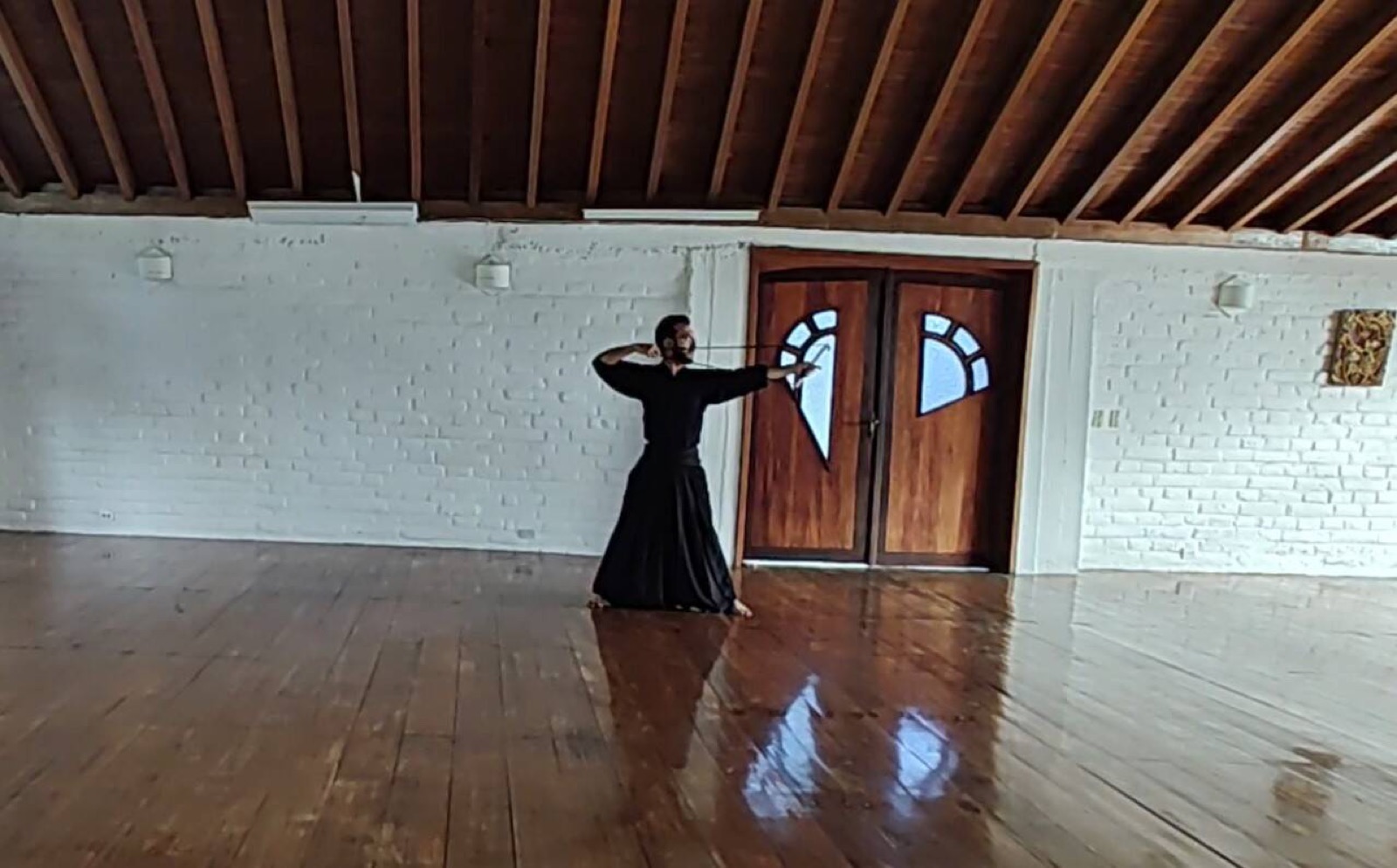
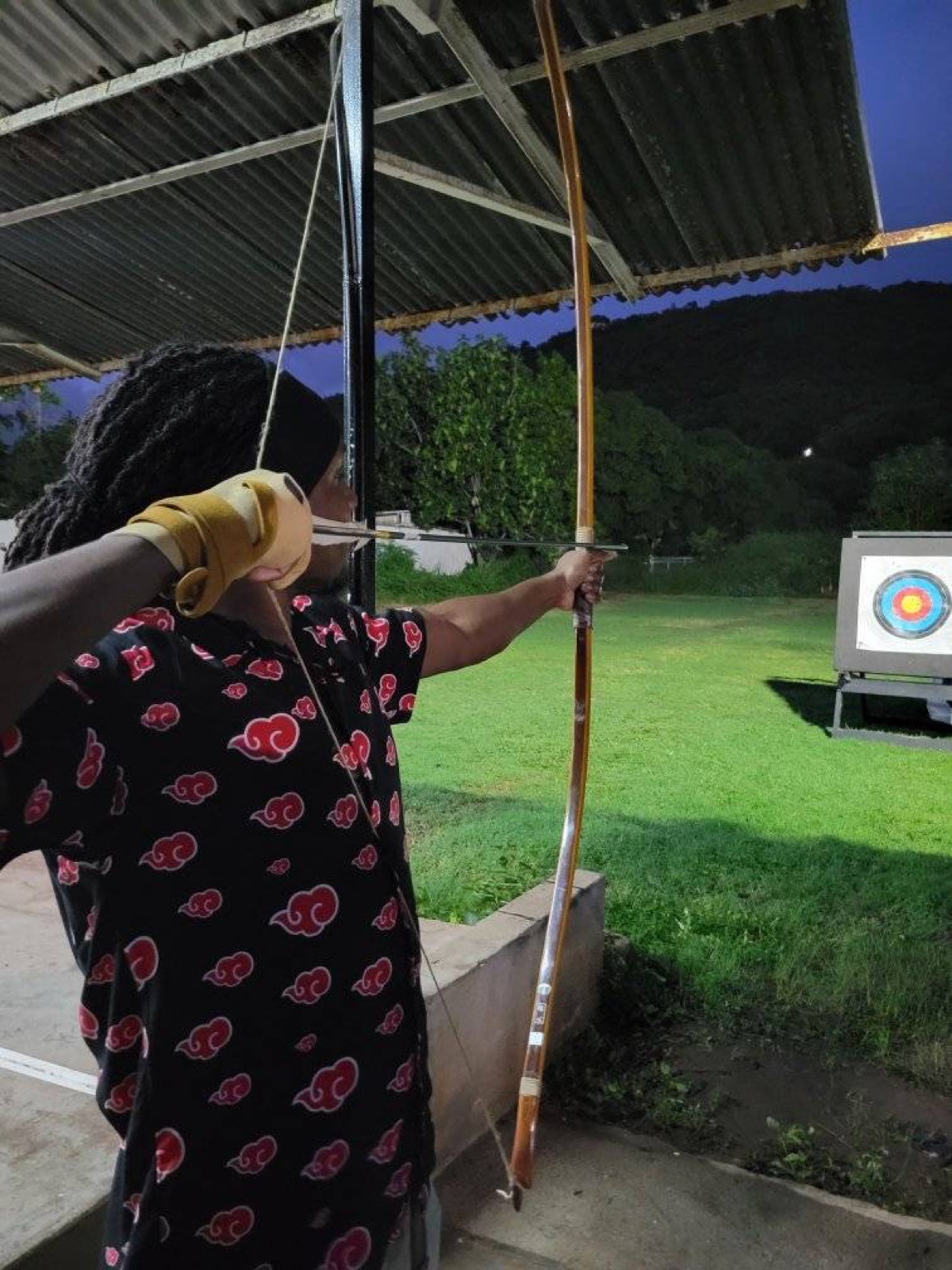
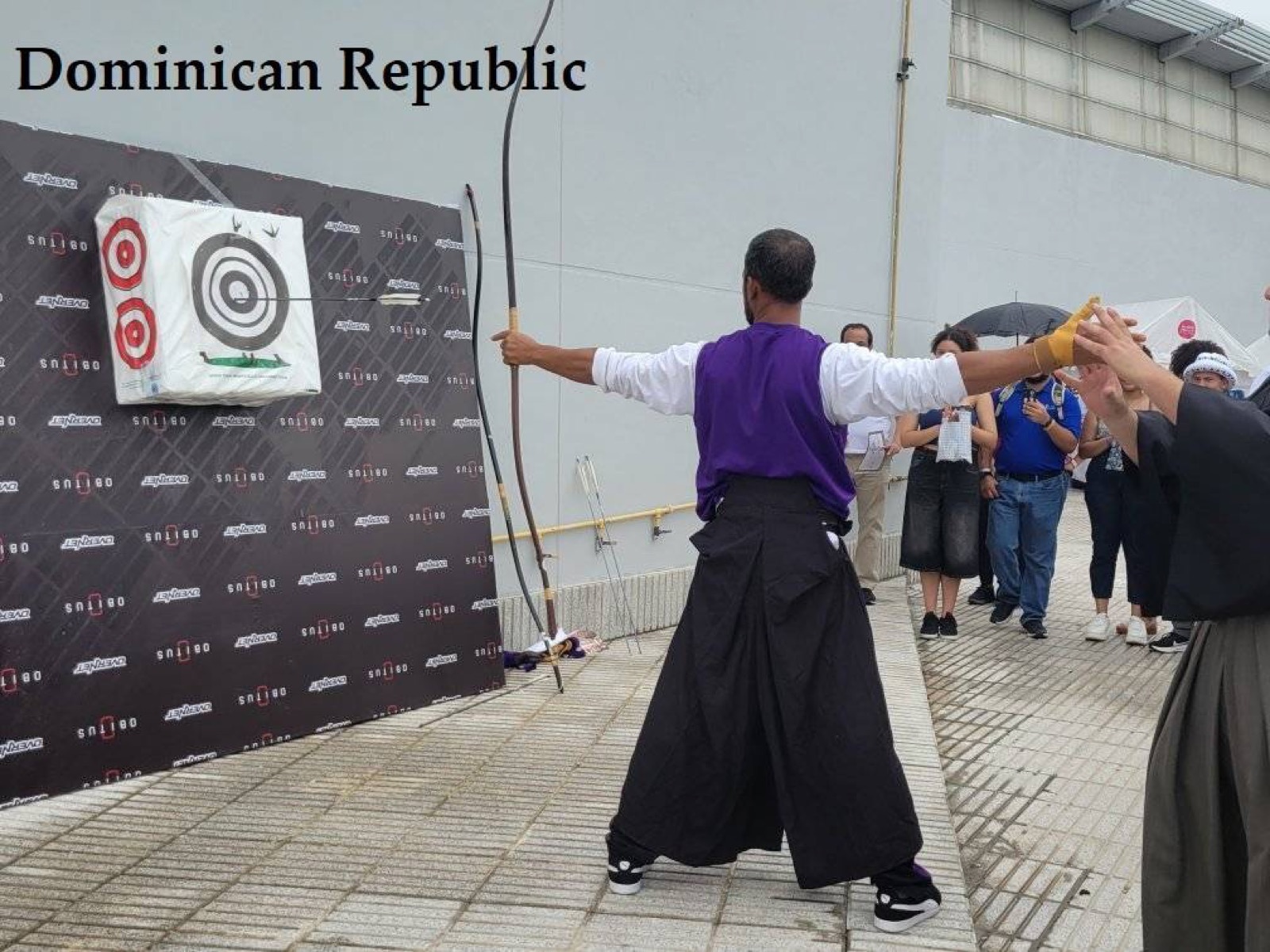
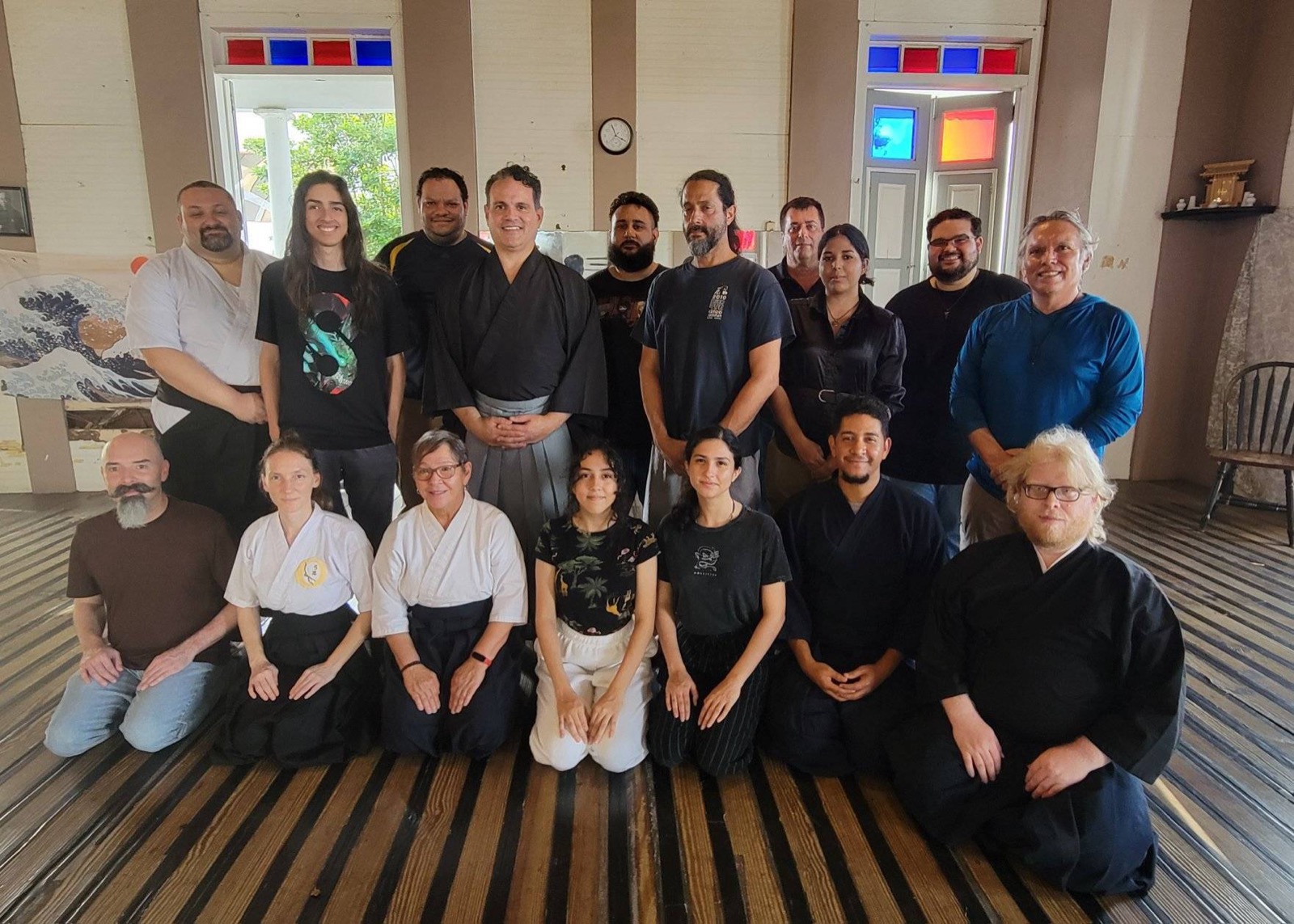
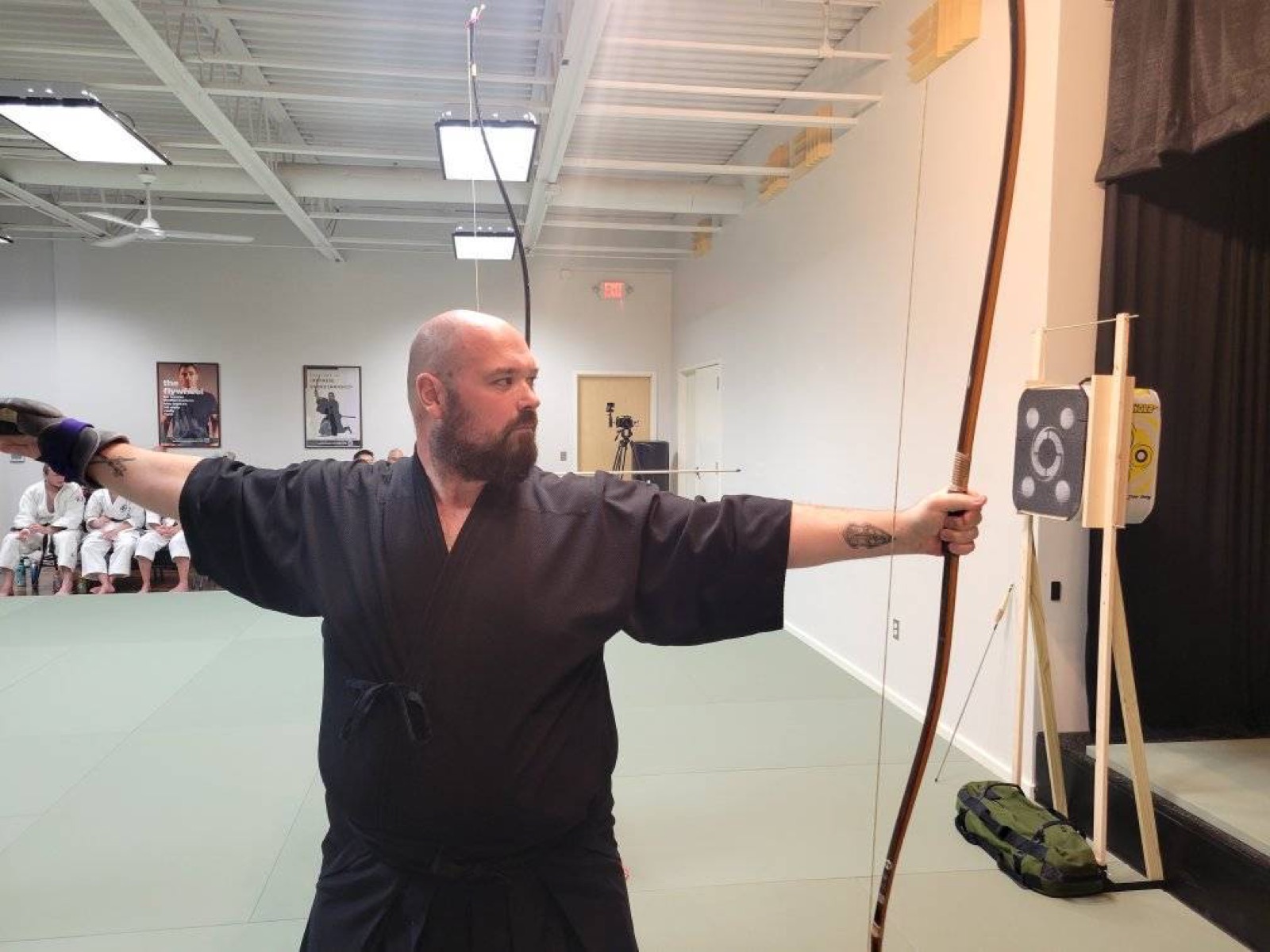
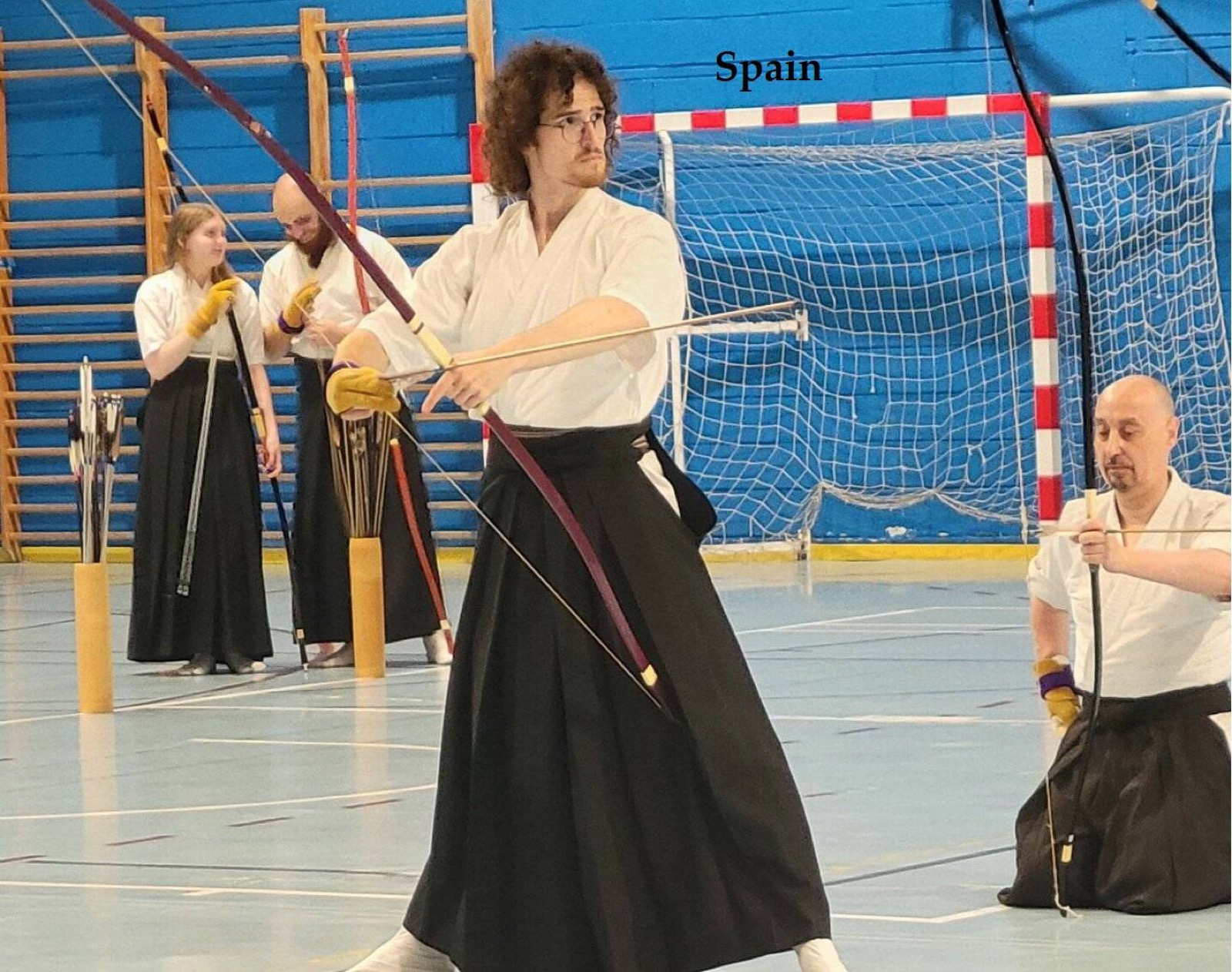
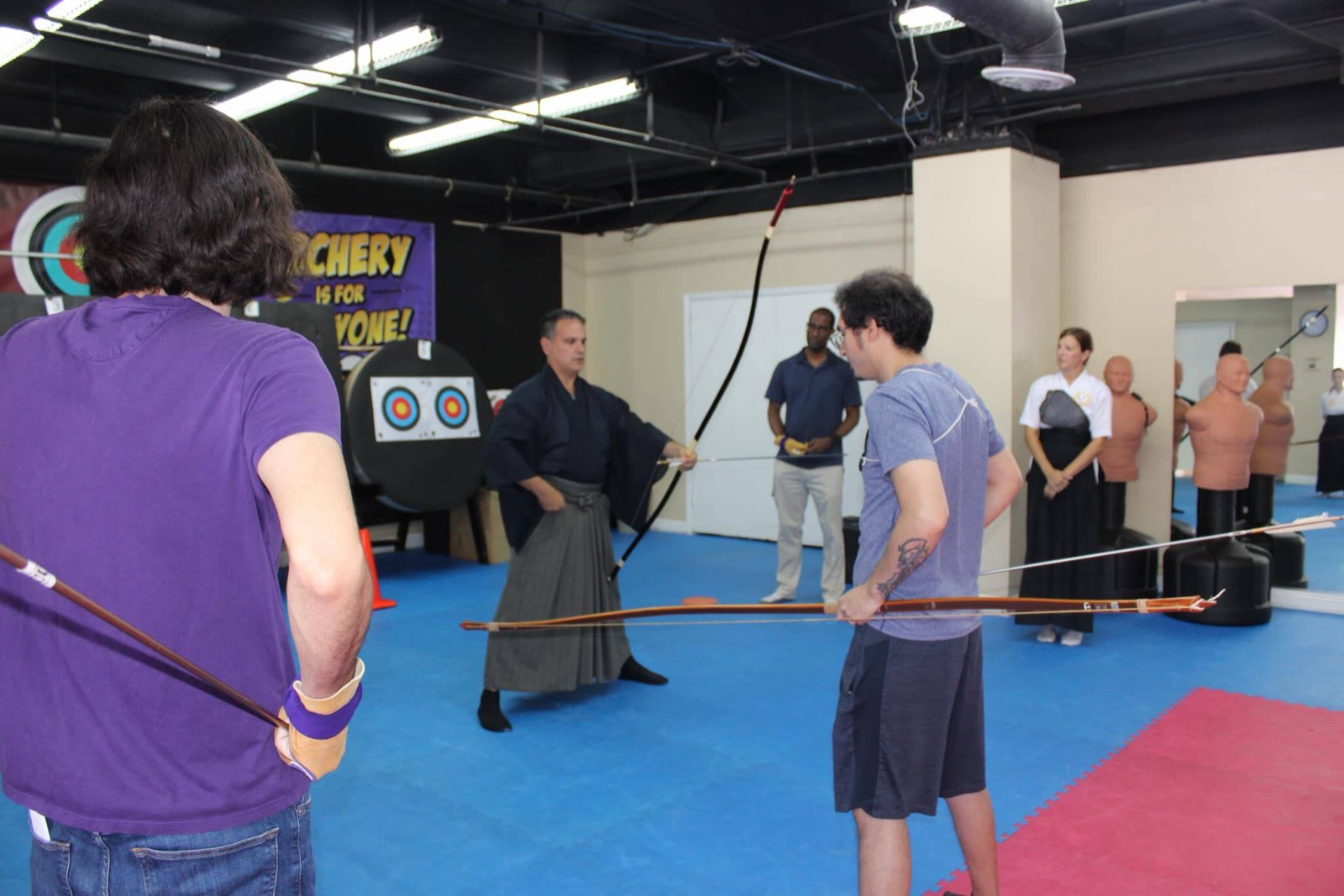
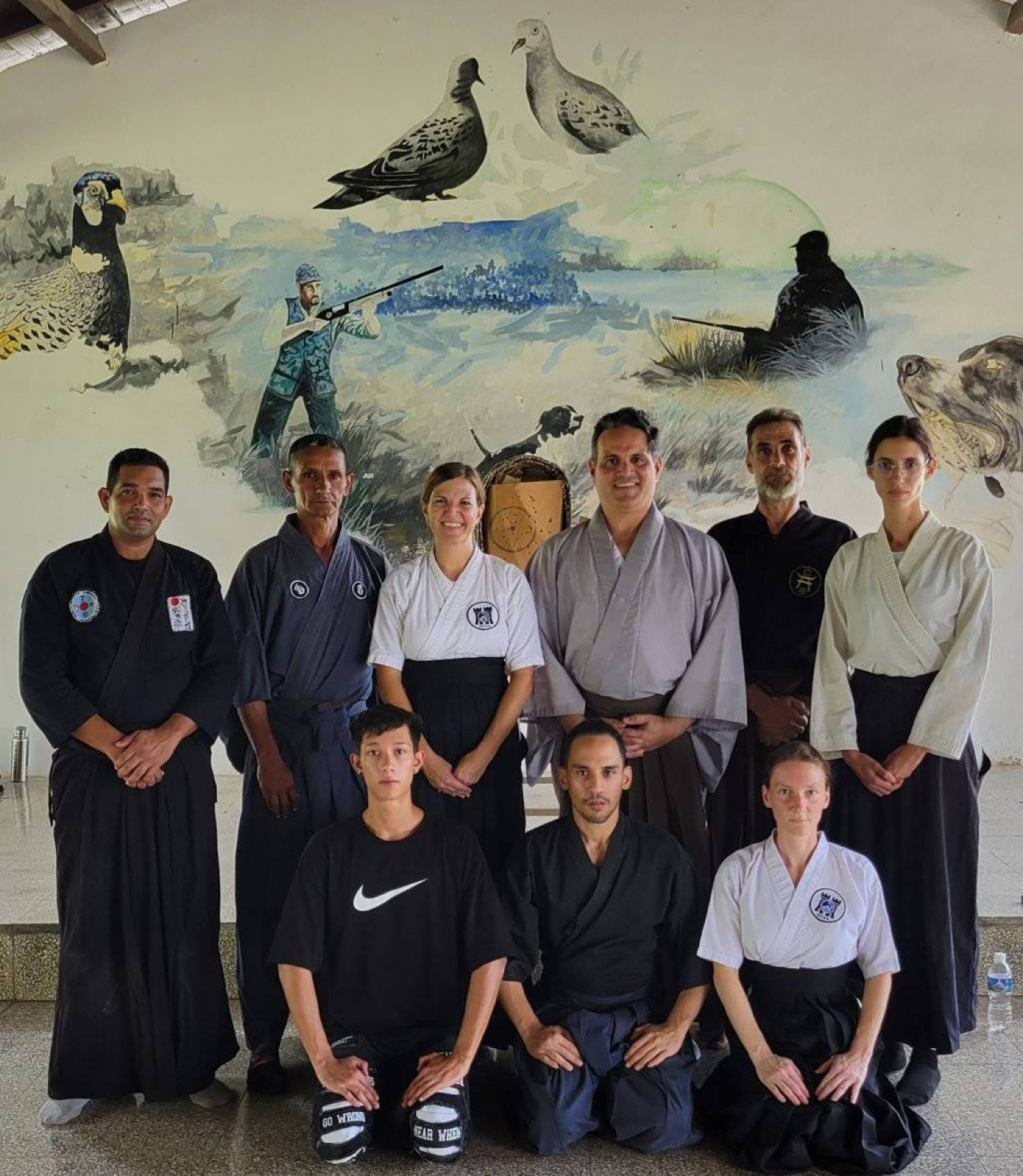
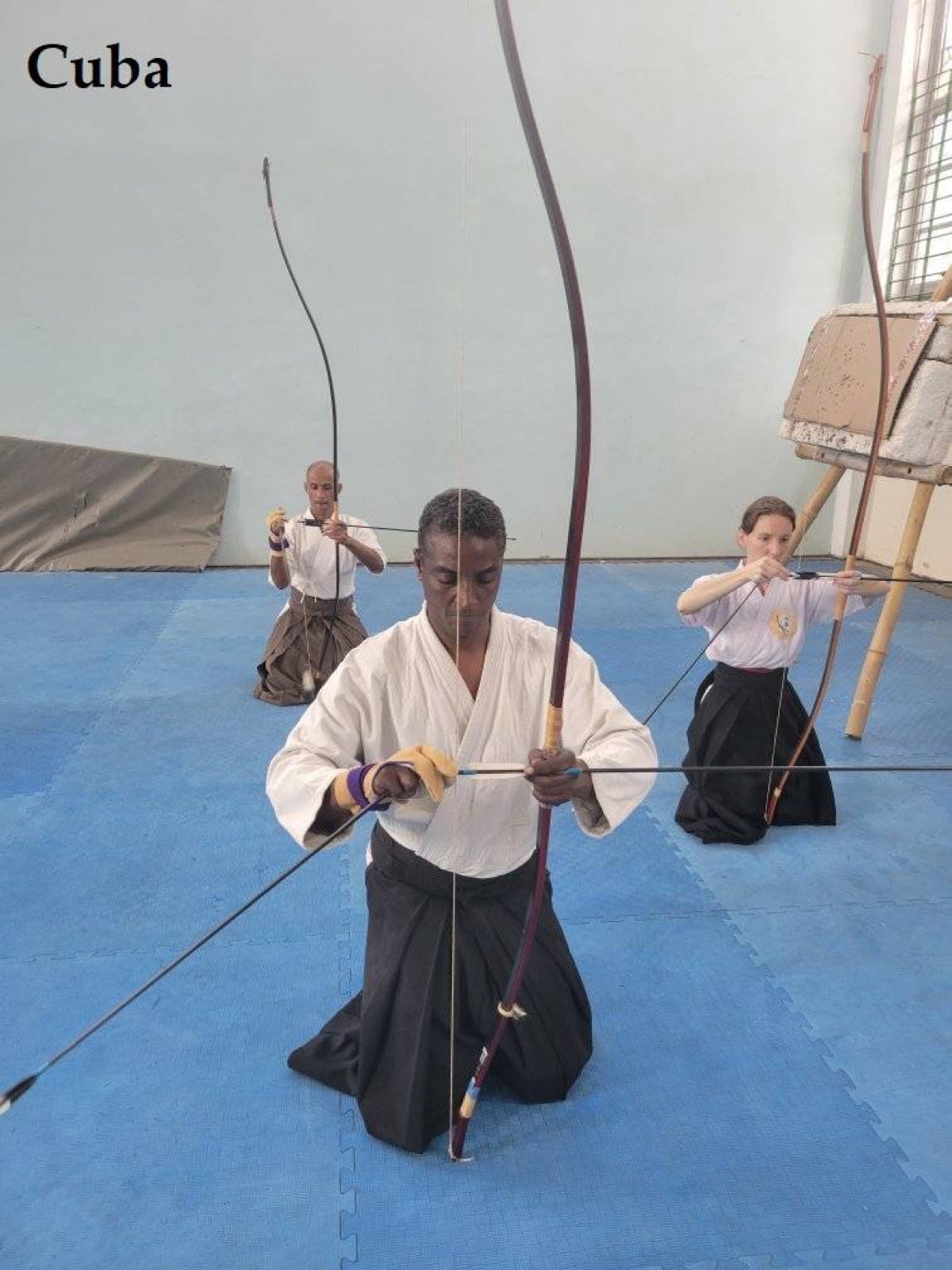
DNKK opens new countries to kyudo!

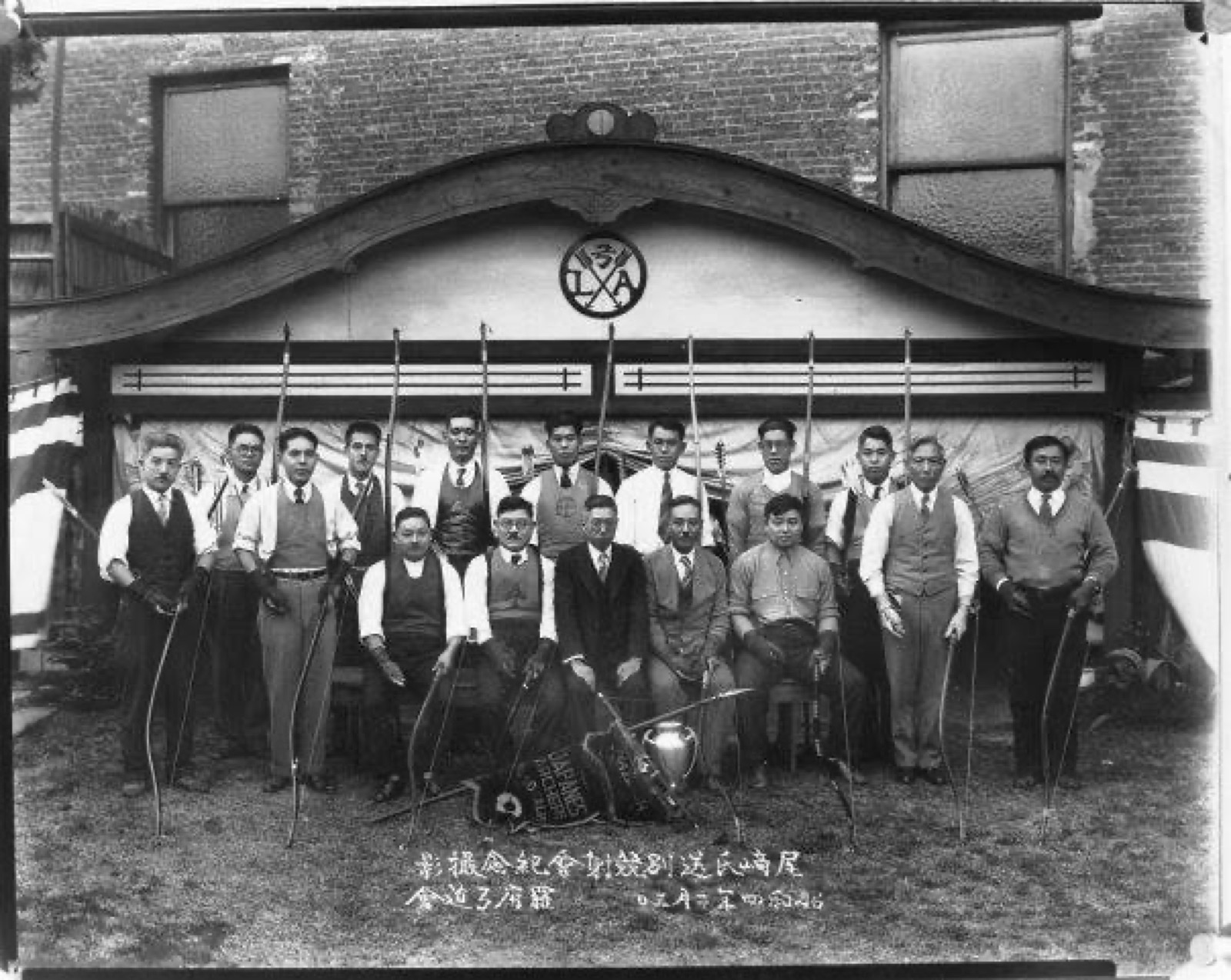
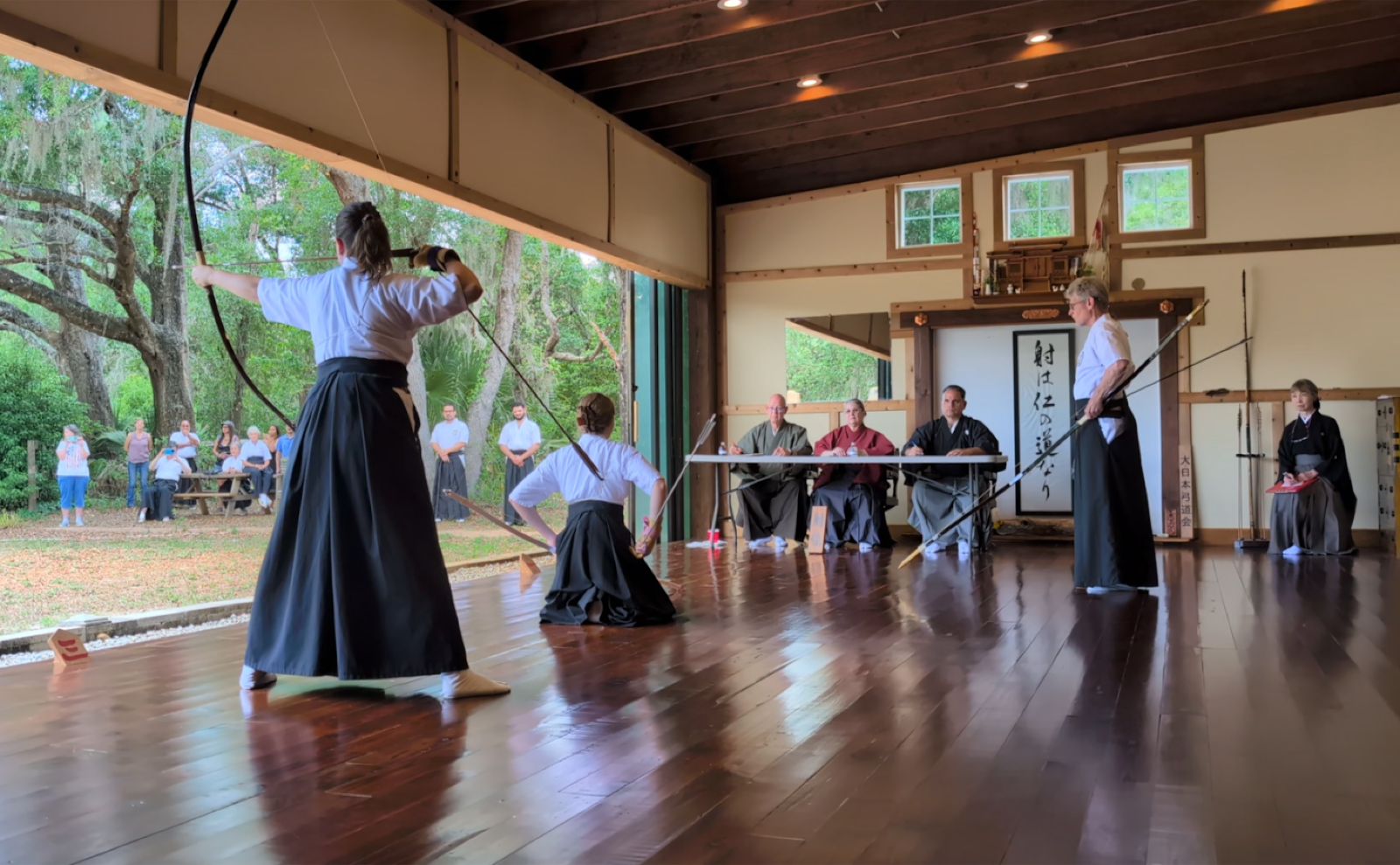
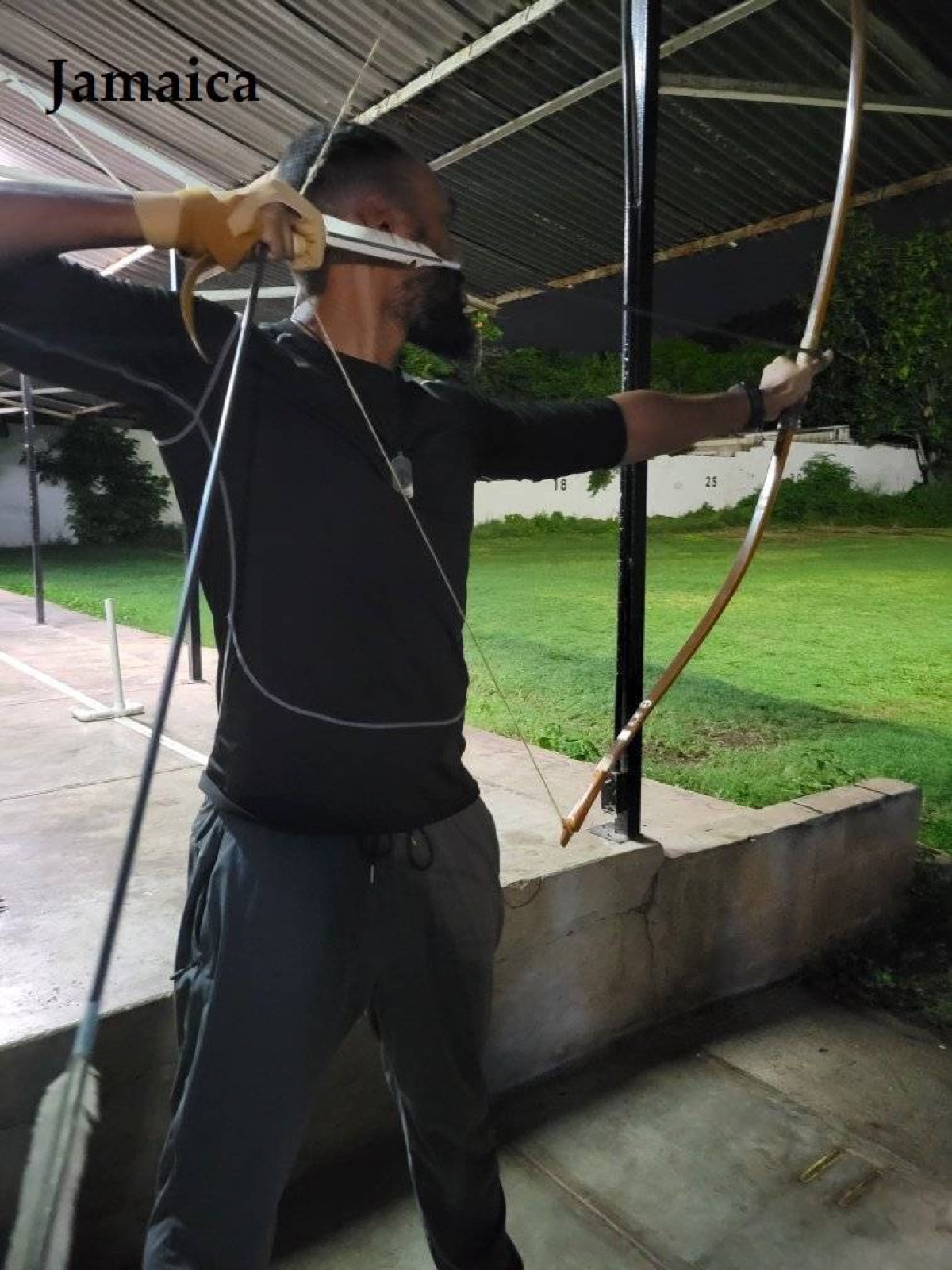
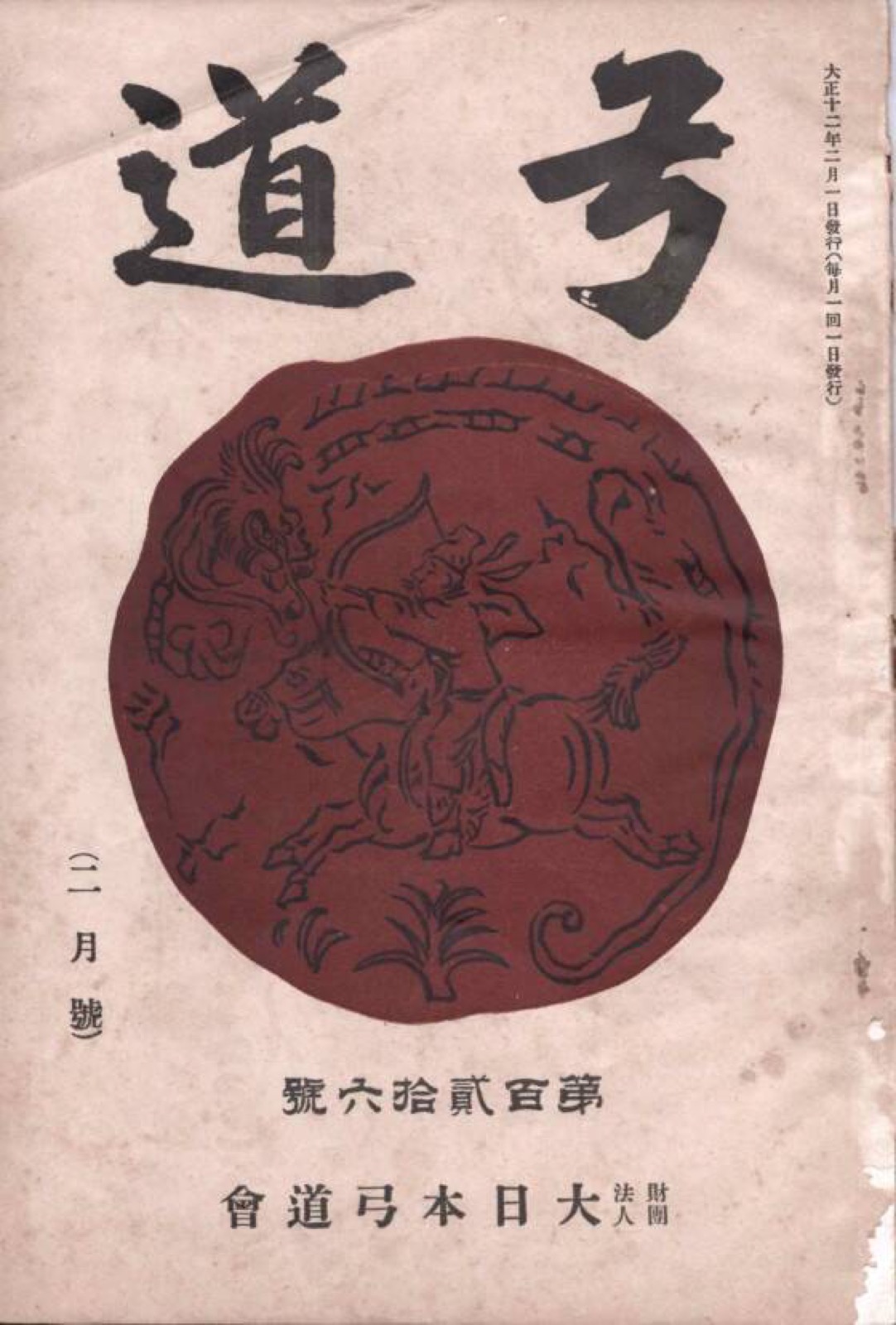

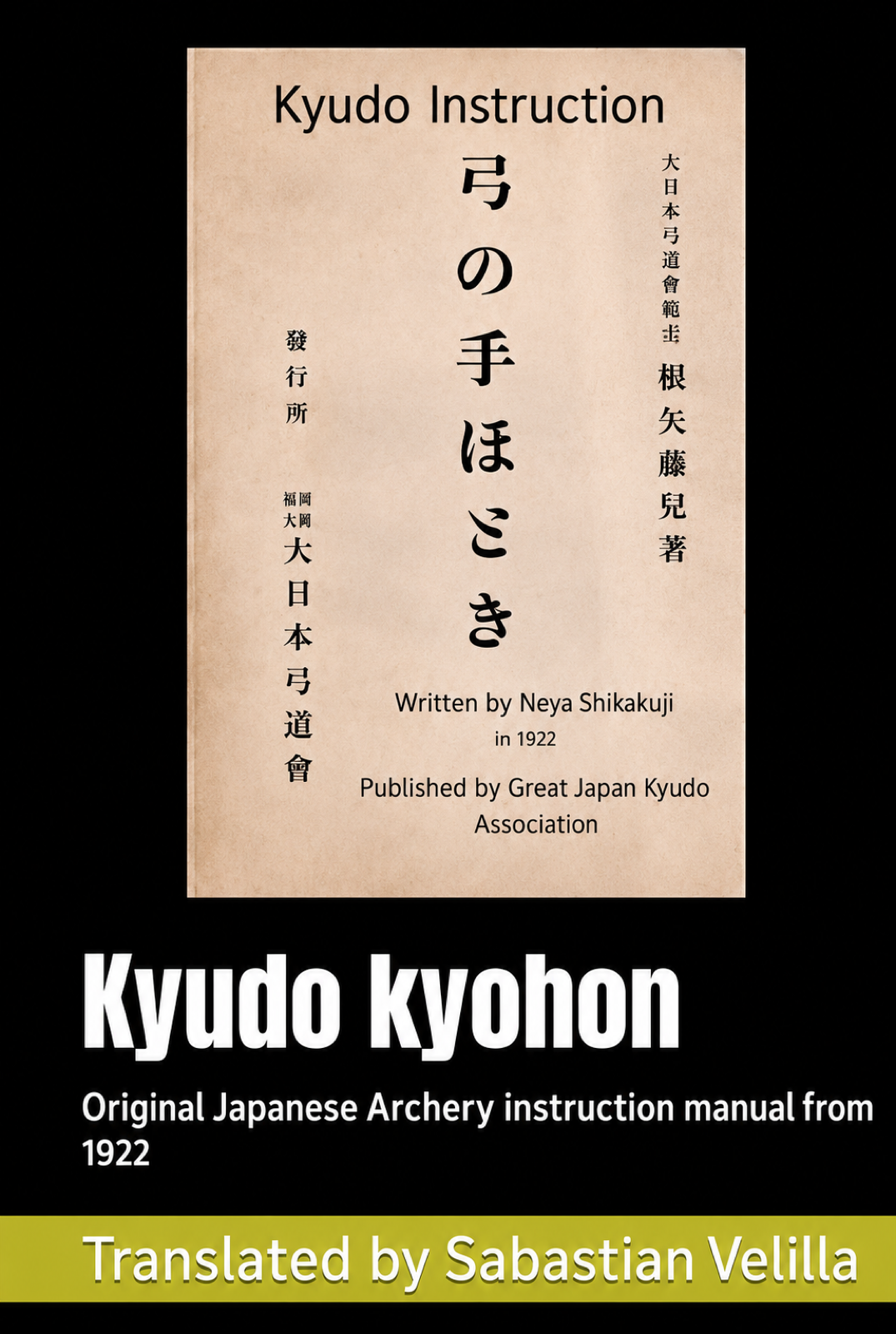
Original Kyudo Manual from 1922 Translated
This translated edition of the 1922 Kyudo (Japanese Archery) Training Manual is a rare and historically significant resource, preserving one of the earliest written instructional guides on traditional Japanese archery. Originally published in Taishō-era Japan by Rokuji Neya, this manual documents the classical shooting methods, etiquette, terminology, and philosophical foundations of Kyudo as practiced over a century ago.
For modern practitioners, instructors, historians, and martial arts researchers, this translation offers:
Authentic Early-20th-Century Technique — A detailed breakdown of fundamental shooting methods, including stance, bow handling, breathing, and release, recorded before the modernization and consolidation of Kyudo schools that occurred post-WWII.
Historical Terminology and Language — Each technique preserves its original Japanese phrasing alongside clear English explanation, making it suitable for both study and reference.
Rare Photographs and Illustrations — Original diagrams (where available) have been carefully interpreted to maintain the accuracy of form and movement.
Cultural and Philosophical Insight — The manual explores Kyudo not only as a technical discipline, but as a method of self-cultivation, courtesy, and spiritual refinement.
Lineage Preservation — As one of the earliest known manuals connected to pre-war Kyudo organizations, this text provides valuable insight into the techniques influenced by schools such as Honda-ryū, Ogasawara-ryū, and Yoshida teachings.
Why This Translation Matters:
Much of early Kyudo literature has been lost, restricted, or was never translated from Japanese. This edition makes the content accessible to a global audience for the first time. For researchers and dojos preserving classical methodology, the manual provides reliable historical reference to compare with modern post-1950 standardized Kyudo.
On Amazon Here