About Dai Nippon Kyudo Kai
Dai Nippon Kyudo Kai, also known as DNKK or 大日本弓道會, is an international kyudo organization dedicated to the study, preservation, and promotion of Japanese archery, etiquette, and Budo culture. The modern DNKK continues the name and spirit of the historical Dai Nippon Kyudo Kai tradition while supporting today’s international kyudo practitioners through education, seminars, testing, and cultural exchange.
Mission
The mission of Dai Nippon Kyudo Kai is to preserve and promote kyudo as a traditional Japanese martial art rooted in etiquette, discipline, sincerity, and personal cultivation. DNKK supports practitioners through education, seminars, testing, cultural exchange, and the careful study of historical kyudo traditions.
Modern Revival
The present DNKK has been revitalized in name and spirit to support modern international kyudo study. While inspired by the historical Dai Nippon Kyudo Kai tradition, the current organization operates as a modern body serving students, instructors, and dojos throughout the world.
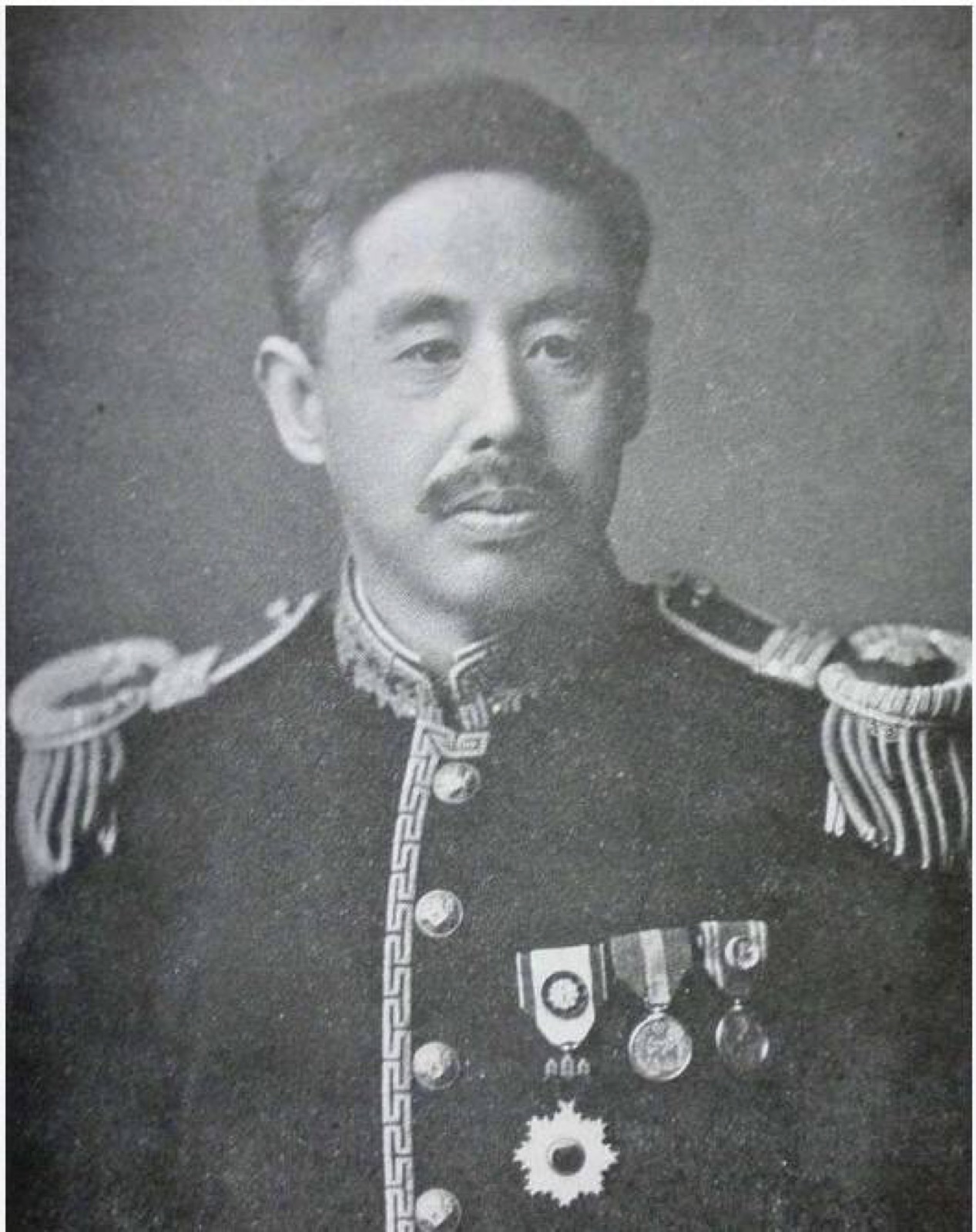
First President of Dai Nippon Kyudo Kai- Prince Motoharu Nijo
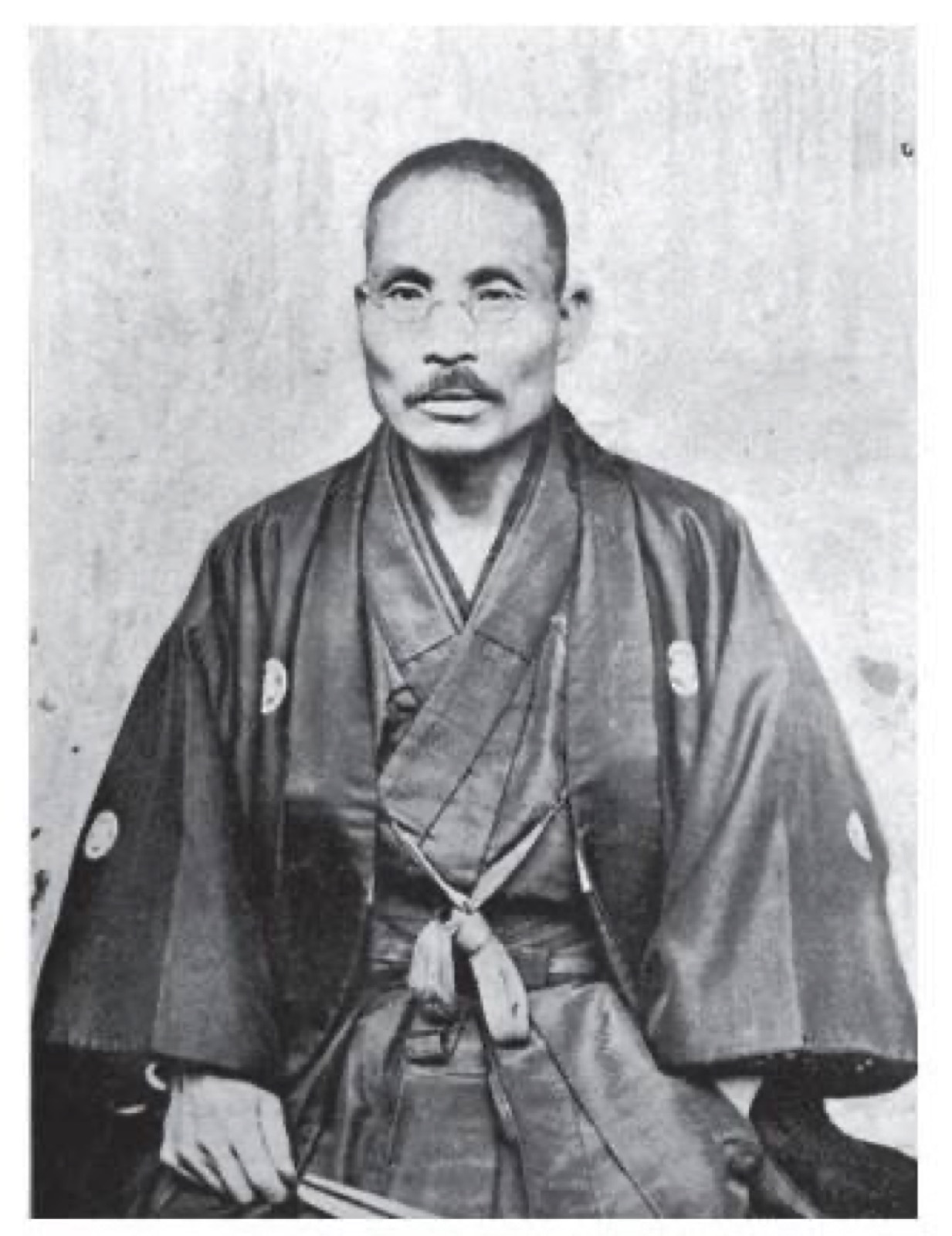
Rokuji NEYA- Managing Secretary and original Founder of DNKK
Dai Nippon Kyudo Kai
Historical Background and Modern Vision
The Dai Nippon Kyudo Kai traces its origins to the Seinen Kyujutsu Kai, established in 1909 under the tradition of Honda Toshizane. Soon thereafter, the organization became known as the Dai Nippon Kyujutsu Kai. It was formally incorporated on June 10, 1919, and later came to be known as the Dai Nippon Kyudo Kai following Honda’s death.
During its historical period, the organization was led by distinguished figures in Japanese martial and cultural society. Prince Motoharu Nijō served as Honorary President, and Rokuji Neya served as Managing Secretary. The historical DNKK played an important role in the development, organization, and spread of modern kyudo during the early twentieth century.
At the time, DNKK maintained its own position regarding the development of Kyudo Yōsoku, the unified or standardized form promoted through the Dai Nippon Butoku Kai. While the historical DNKK expressed concern over excessive centralization and governmental control of kyudo form and practice, the modern DNKK takes a broader and more inclusive approach.
Today, DNKK recognizes and practices Yōsoku while also supporting the preservation of other major kyudo styles and smaller koryū kyudo traditions. This reflects DNKK’s belief that kyudo is strengthened when sincere practitioners from different traditions are able to train, study, and preserve their respective lineages with mutual respect.
Due to the conditions surrounding the Second World War in Japan, the activities of the historical DNKK terminated in April 1945.
Between June 1912 and October 1943, cumulative DNKK membership reached 22,769 members, with 426 branches established both domestically and internationally. Approximately 75 percent of those branches were located in eastern Japan. Among its early members were notable kyudo figures such as Kenzō Awa and Junichirō Tokunaga. The historical DNKK also actively promoted the international expansion of kyudo, a mission that continues in renewed form through the modern organization.
Today, the reestablished DNKK carries forward this international spirit with a clear and practical vision: to support a kyudo practice that is accessible, secure, affordable, and sustainable for sincere practitioners around the world.
DNKK seeks to assist international groups through training and equipment support designed not to create dependency, but to reduce unnecessary burdens and help kyudo groups become stable, capable, and self-sufficient.
DNKK also seeks to build partnerships based on mutual respect, not political obligation, recognizing that the success of each group strengthens the broader kyudo community.
In addition, DNKK provides access to experienced practitioners from various styles, including members, advisors, and consultants who can help guide students and groups in their kyudo journey.
The modern DNKK believes that when individuals and communities are given the opportunity to practice with dignity, develop their talents, and preserve meaningful traditions, everyone benefits.
At the heart of this mission is a simple but powerful goal: to increase access to kyudo practice for sincere students everywhere.
Membership
As we are a non-profit, fees are kept to an absolute minimum. The cost for yearly memberships are as follows:
本会は非営利団体であるため、費用は最小限に抑えられています。
A Band Listed countries are:
Kyu Rank: $20
Dojo Cho: Free
Yudansha or equivalent: $30
B-D Band listed countries are:
Kyu Rank: Free
Dojo Cho: Free
Yudansha or equivalent: $15
Check FAQ section for your country band list.
For questions please email coordinator@DaiNipponKyudoKai.org
or write to
DNKK 2F Nishi-Shinjuku Mizuma Building, 3-3-13 Nishi-Shinjuku, Shinjuku-ku, Tokyo Japan
Payment Button
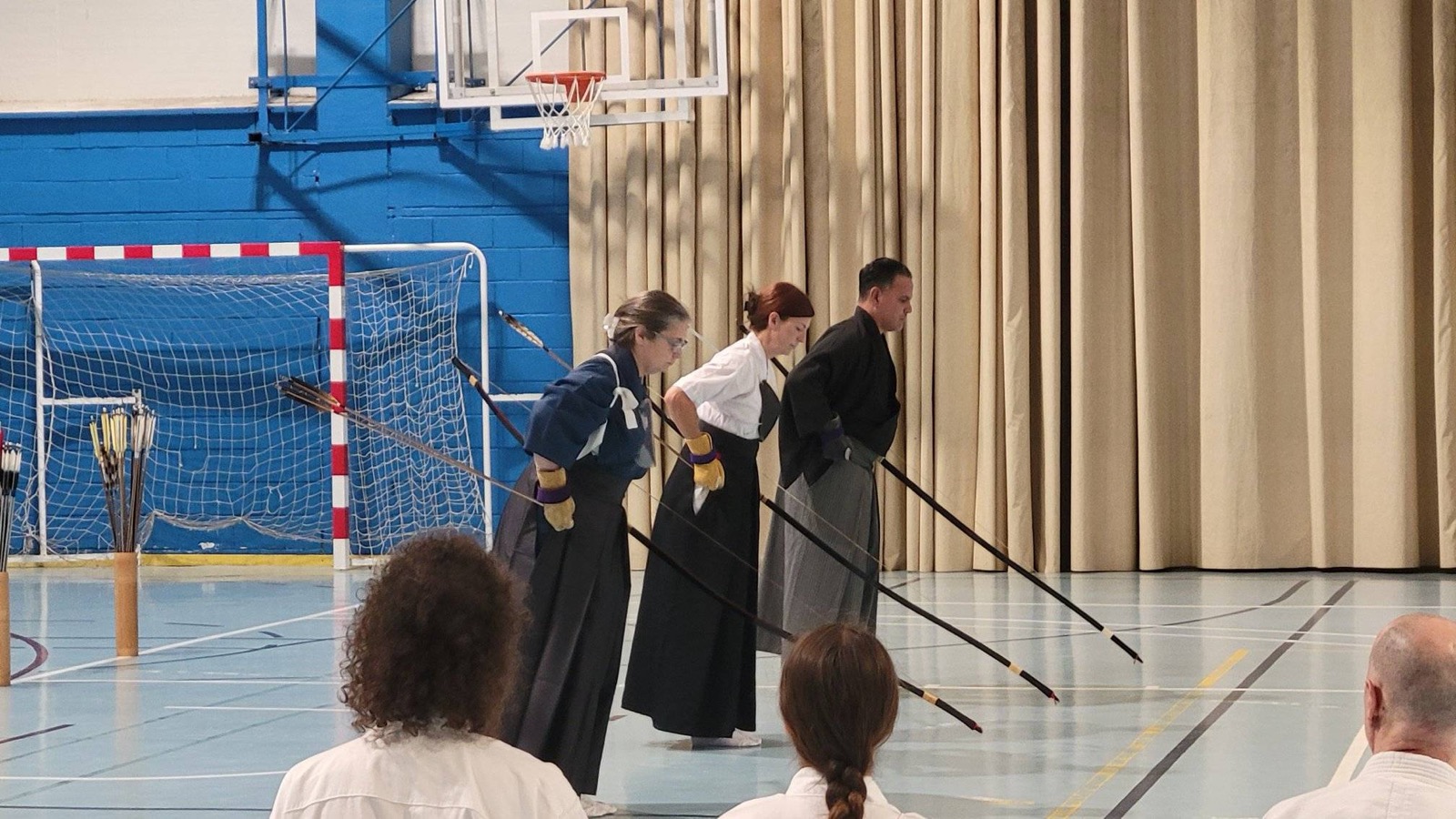
Practice in Spain
Stay in touch!
Sign up for our newsletter and stay rooted in all our latest activities or email us at Coordinator@DaiNipponKyudoKai.org.
当会の最新情報にご興味のある方はぜひ、ニュースレターのご登録をお願いします。